


Key Takeaways:
- Images of children, schools, and hospitals have become the most powerful symbols in modern war reporting.
- Armed groups that embed military infrastructure within civilian environments create situations where those symbols dominate global narratives.
- When international media rely heavily on imagery supplied by actors connected to the conflict itself, emotionally powerful visuals can shape coverage before independent verification becomes possible.
In the days after the strike on a girls’ school in Minab, the images spread quickly.
Drone footage showed rows of freshly dug graves. Funeral processions filled the streets. Photographs of young victims appeared across international news reports and social media feeds.
Within hours, the visual narrative of the event had taken shape.
The strike was no longer simply a military incident. It had become a story about children.
In modern war reporting, few images carry greater emotional power.
Schools, hospitals, and children have become the most powerful symbols of civilian suffering in contemporary conflict coverage. When violence occurs in or near these places, the resulting imagery can rapidly shape the global narrative surrounding the event.
The question is not only what happened in Minab.
It is how those images came to define the story so quickly.

The Power of the Civilian Symbol
War reporting has always relied on images that communicate the human cost of conflict. Yet some symbols carry far greater narrative impact than others.
Children represent innocence.
Hospitals represent care and sanctuary.
Schools represent the future.
When these locations become associated with violence, the resulting images possess an almost universal emotional resonance. They demand attention and provoke immediate moral judgment.
For journalists, such images are difficult to ignore. For audiences, they are impossible to forget.
The result is that these symbols frequently become the visual anchors around which entire narratives are constructed.
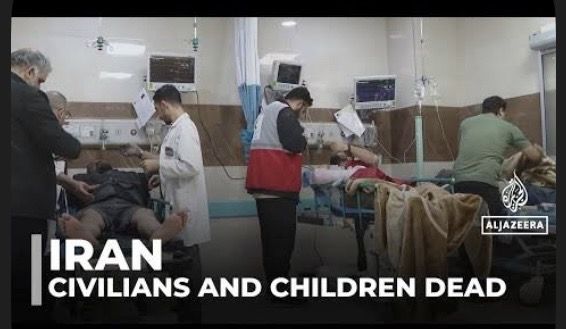
Modern conflict coverage increasingly follows familiar visual templates. Hospital wards, wounded children, funeral processions, and grieving families have become recurring symbols through which war is understood. When such imagery appears, it provides an instantly recognizable narrative frame. Editors and audiences alike already understand what these scenes signify. As a result, these images often become the defining representation of an event long before the full circumstances surrounding it are independently verified.
The Gaza Precedent
This dynamic has been widely visible in coverage of Gaza over the past decade.
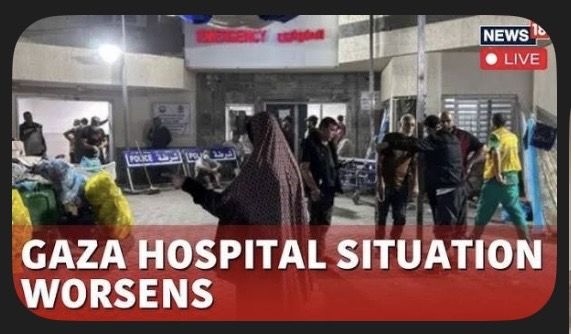
Hospitals, schools, and densely populated residential areas have repeatedly become central visual symbols in reporting about Israeli military operations. Images from these locations often dominate global coverage, shaping how audiences interpret events long before the operational context becomes clear.
Israeli officials have repeatedly argued that Hamas embeds military infrastructure within civilian environments, including command centers, weapons storage sites, and tunnel networks beneath populated areas.
When military activity takes place in or around such locations, the resulting imagery inevitably highlights the civilian setting in which violence occurs. Those images then circulate rapidly across global media platforms.
In environments where journalists have limited independent access, many of those visuals originate from sources operating within the territory controlled by the parties involved in the conflict.
The Operational Dimension
A similar dynamic now appears in coverage of Iran.
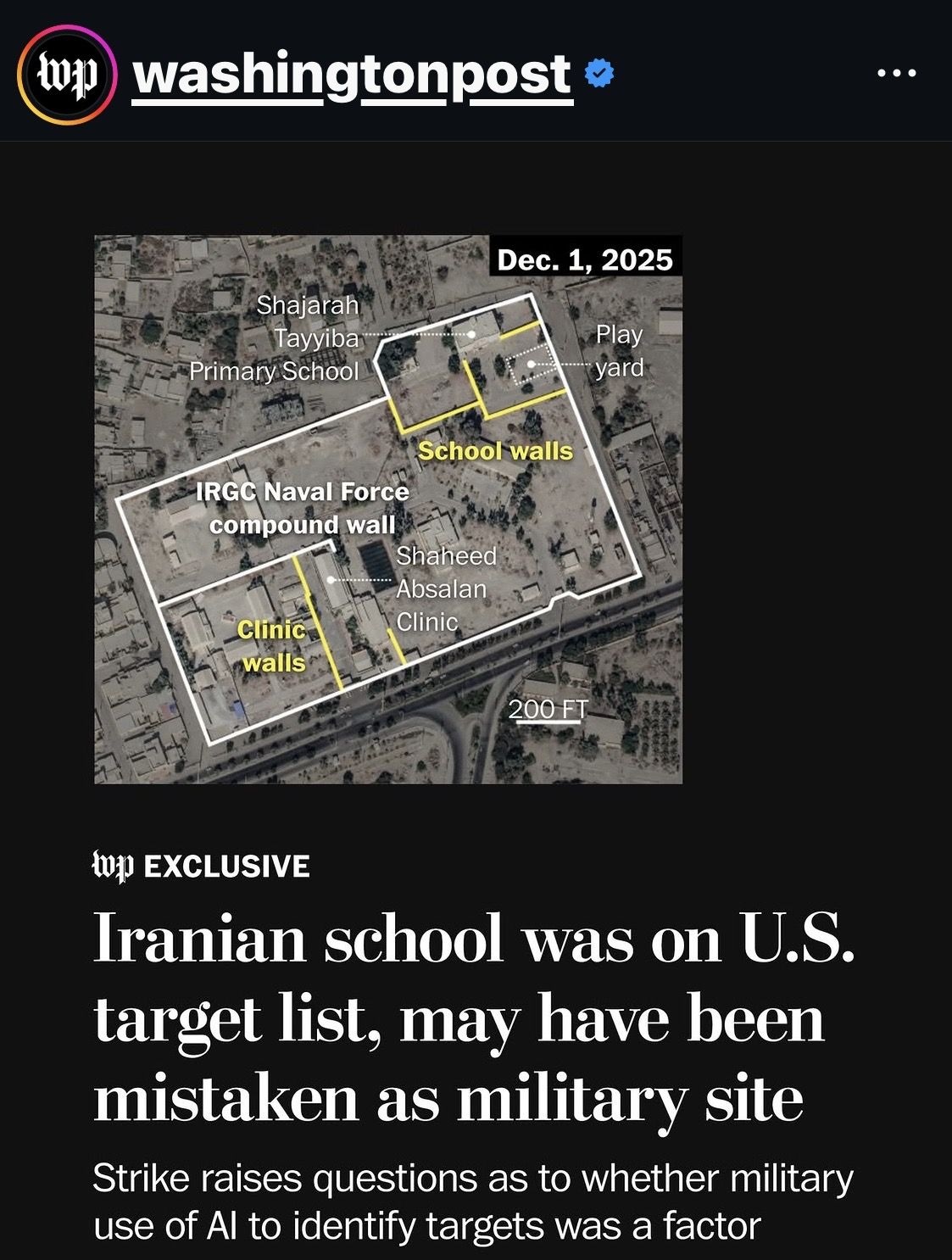
The Islamic Revolutionary Guard Corps has long operated military installations within densely populated areas, including facilities located near civilian infrastructure. In the case of the Minab strike, early reporting suggested that the targeted area lay close to an IRGC installation.
Such proximity creates a complex and often dangerous environment. Military targets and civilian structures may exist within the same urban landscape, increasing the likelihood that civilian locations become visually associated with military operations.
When images of the aftermath emerge, they frequently originate from state media channels or local sources operating within the same information environment.
Those images can then become the primary visual evidence available to international media outlets.
Narrative Formation
In the aftermath of the Minab strike, images of funerals, and grieving families and children quickly circulated across global media platforms.
International outlets published aerial footage of freshly dug graves, photographs of mourning relatives, and video from funeral ceremonies attended by large crowds.
These visuals established a powerful emotional narrative. The story was no longer only about a military strike.
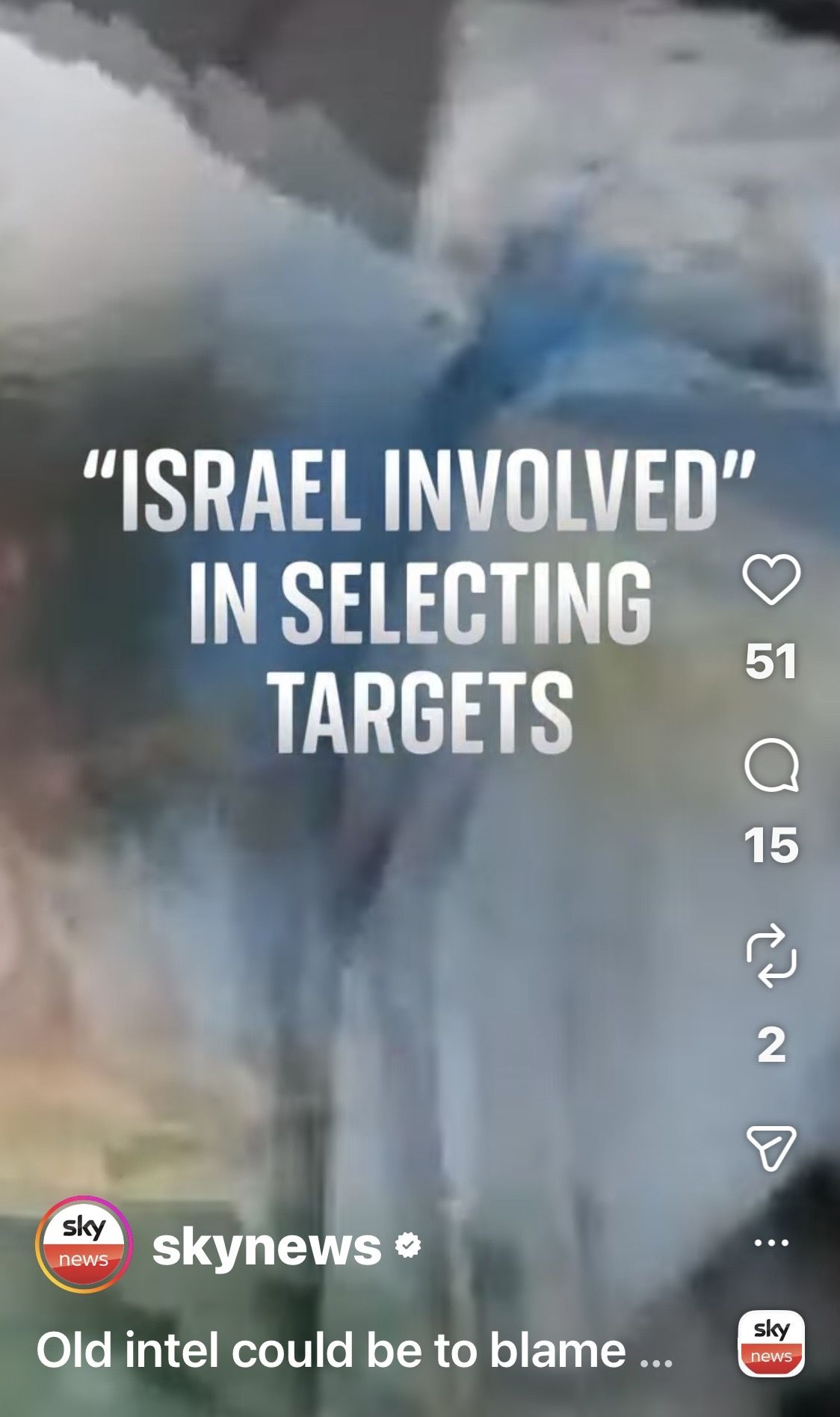
It had become a story about children.
Yet many of the images shaping this narrative were distributed through channels controlled by Iranian state media or sources closely connected to the local information environment.
For international journalists working without independent access to the scene, such material often becomes the primary visual record available.
When the Narrative Is Scrutinised
As more information emerges after major incidents, early claims sometimes face closer examination.
Online analysts and commentators have begun comparing initial casualty figures with the names and identities of confirmed victims released later. In some cases, these comparisons have raised questions about how early casualty claims were compiled and reported.
None of this diminishes the human tragedy of civilian deaths in war.
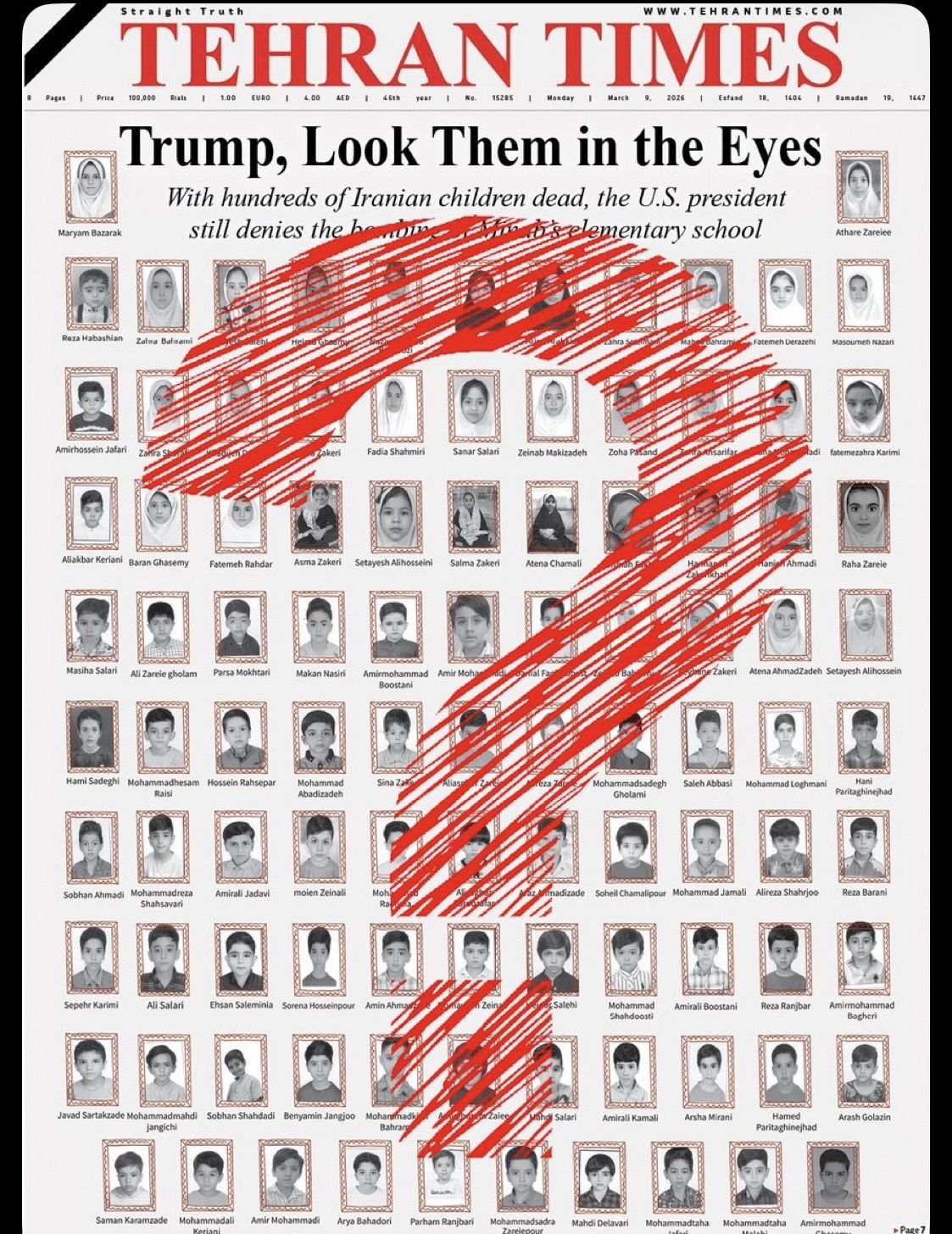
But it does illustrate how rapidly emotionally powerful narratives can solidify before independent verification becomes possible.
The Media Feedback Loop
Once symbolic images dominate coverage, they often create a feedback loop.
Powerful imagery attracts attention.
Attention reinforces the narrative.
The narrative shapes subsequent reporting.
In conflicts where journalists cannot independently verify events on the ground, international media organizations may rely heavily on imagery supplied by actors operating within the conflict itself.
By the time additional evidence emerges, the emotional framework through which the event is understood may already be firmly established.
Conclusion
The strike in Minab has revealed how quickly the most powerful symbols of civilian suffering can shape the narrative of modern conflict.
Children, hospitals, and schools are not merely locations within war zones. They are visual symbols that carry immense emotional weight.
When violence occurs in or near such places, the resulting images inevitably dominate global coverage.
Understanding that dynamic does not diminish the tragedy of civilian casualties.
But it does highlight an uncomfortable reality of modern war reporting.
In conflicts where independent access is limited, the images that define the narrative may originate from the very actors involved in the war itself.
Liked this article? Follow HonestReporting on Twitter, Facebook, Instagram and TikTok to see even more posts and videos debunking news bias and smears, as well as other content explaining what’s really going on in Israel and the region. Get updates direct to your phone. Join our WhatsApp and Telegram channels!