It’s not unusual to find anti-Semites and conspiracy theorists lurking in the nether regions of the web who will always try to claim that Israel mounts “false flag operations” to discredit its enemies. In the case of the Iranian weapons ship seized by the IDF, this would entail Israel planting the missiles on board in order to serve its own nefarious propaganda.
While this sort of fringe lunacy can be readily dismissed, it isn’t helpful when a reputable media outlet makes an error that might assist in the construction of such a conspiracy theory.
Take Reuters, which initially reported:
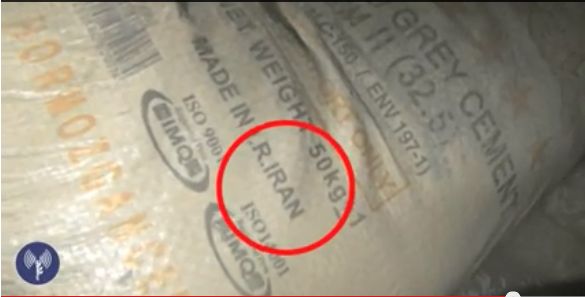
Israeli television footage showed what appeared to be marines inspecting a rocket on the floor of a ship hold, with cement bags labeled “Made in Israel” in English next to it.
In fact, this is what Israeli television footage, courtesy of the IDF, actually showed:
The cement bags were clearly marked “Made in R. Iran” and not Israel.
While Reuters has since corrected its original report, the same cannot be said of other international media outlets that relied on the Reuters story for their own coverage, including the Sydney Morning Herald and Canada’s Globe and Mail.
This illustrates the added responsibility that the wire services have to get it right the first time and the dangers behind a simple typo.
UPDATE
Both the Sydney Morning Herald and the Globe and Mail have updated their articles to match the corrected Reuters version.
[sc:bottomsignup ]© Divuach Ne’eman R”A, 2025