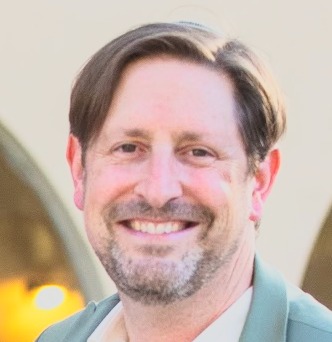
Taryn Thomas is a Stanford student and former anti-Israel activist who participated in the first campus encampment after October 7.
In a remarkable blog post for The Times of Israel, Thomas describes how she went from chanting the slogans of the anti-Israel movement to questioning them — and ultimately becoming a pro-Israel activist.
Thirteen days. That’s how long it took for the “Sit-in to Stop Genocide” tent to go up at Stanford after October 7. Hundreds of families still didn’t know if their loved ones were alive. Israel hadn’t launched its ground invasion, yet somehow, Stanford students had become genocide scholars overnight. And I was one of them. Before Columbia, before UCLA, there was us, and we outlasted every campus that copied us.
I was 16 the first time I saw Palestinian flags, at a Black Lives Matter protest in 2020. I asked an organizer why there were so many. “Because they feel our pain,” she said. “Palestinians have been fighting for Black liberation longer than you’ve been alive.” I nodded, grateful someone across the world cared.
My algorithm didn’t radicalize me. It just remembered for me. A week before October 7, my feed was memes, college basketball, and makeup tutorials. A week after, it was flags, keffiyehs, and, buried between the infographics, George Floyd’s face, painted on the separation wall in the West Bank. The same boot that had crushed his neck was on theirs. The debt had come due.
“No one is free until Palestine is free!” they chanted, and I parroted back the words I never chose.
Only one question mattered: Were you against genocide or not? Nothing recruits faster than the promise of being on the right side of history.
I just watched and copied. I unfollowed who they unfollowed. I learned to say “Of course October 7 was horrible, but…” I never once stopped at “horrible.” That fall, I wore my new keffiyeh to a candlelight vigil for Gaza. Hundreds of us stood in the dark, reading names aloud. On the way there, I’d passed a wall of hostage posters. “No justice, no peace” was scrawled across their faces. I had chanted those words at 16.
I was marching for a Palestinian state, not against an Israeli one. The one time I mentioned two states, my new friends from the encampment exchanged a look. One corrected me, gently, the way you correct someone embarrassing themselves: believing Israel should exist made me a Zionist. A slur. I said “you’re right” before I processed it. Next day, I was an antizionist. Like I’d always known.
Read the whole thing.
What makes Thomas’s account so revealing is that she doesn’t describe arriving at anti-Zionism after carefully examining the history of the conflict. She describes absorbing it: watching, copying, repeating, and gradually learning which opinions were socially acceptable.
Unlike so many of her peers, Taryn had the courage to step back, question the narrative, and break free from the groupthink. Unfortunately, her capacity for self-reflection makes her a rare outlier in a movement built on unquestioning conformity.
Meanwhile, I recently created a music video about the “Free Palestine” crowd to which Thomas formerly belonged:
Liked this article? Follow HonestReporting on Twitter, Facebook, Instagram and TikTok to see even more posts and videos debunking news bias and smears, as well as other content explaining what’s really going on in Israel and the region. Get updates direct to your phone. Join our WhatsApp and Telegram channels!
© Divuach Ne’eman R”A, 2025