The Guardian’s latest portrayal of Israel’s war in Lebanon begins not with Hezbollah or military targets, but with three small furry animals. The photographs reveal how an environmental story can become an emotional frame for an entire conflict.
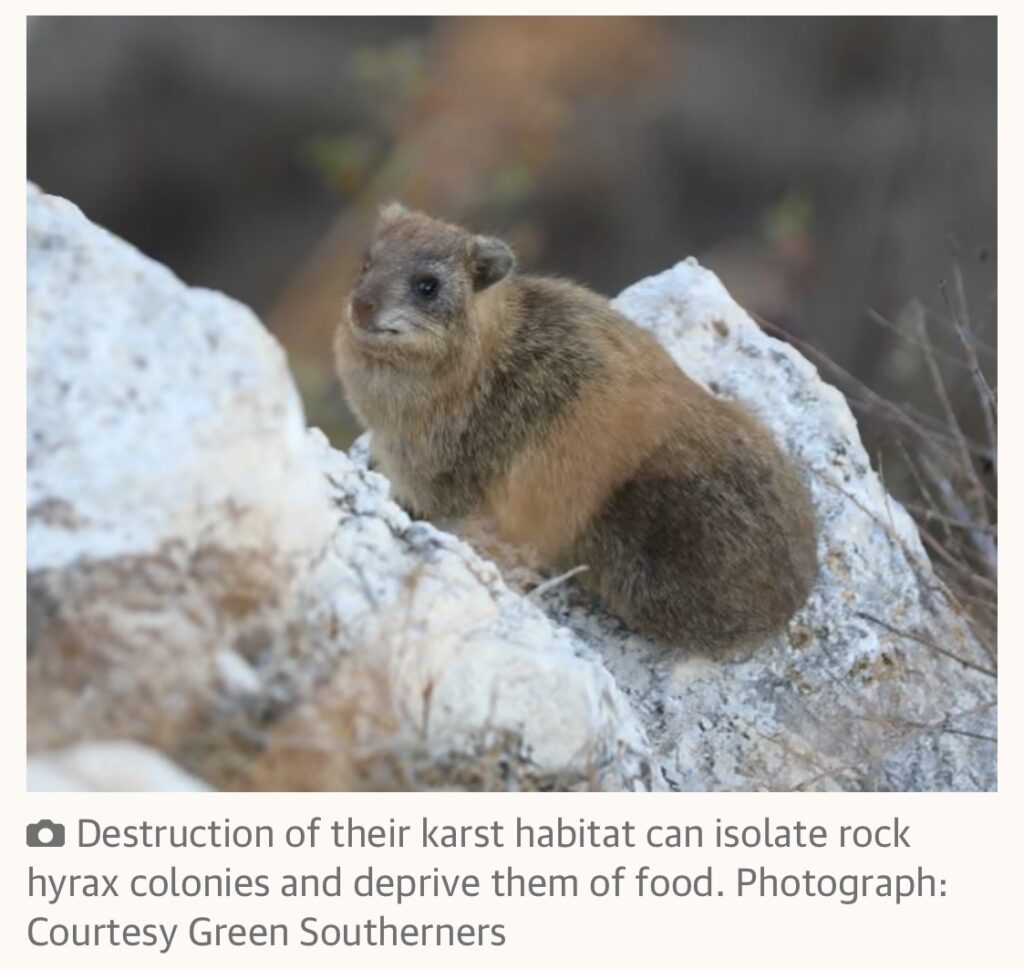
First, look at the photograph.
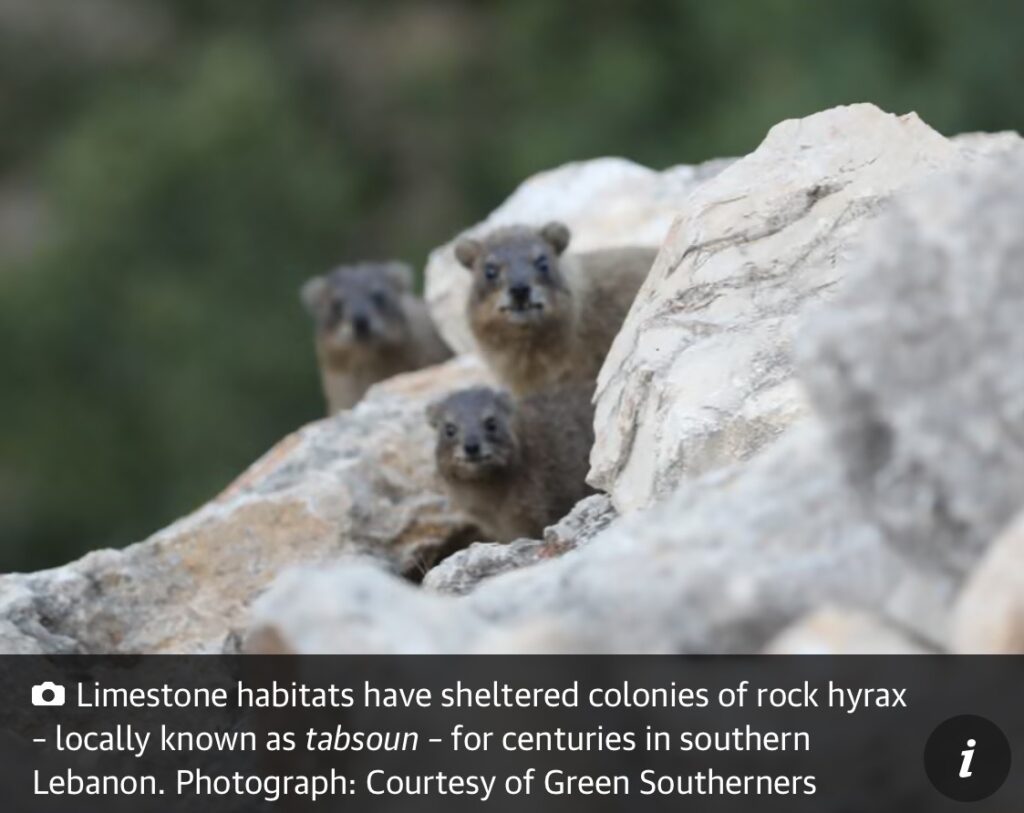
Three small rock hyraxes peer out from between the stones of southern Lebanon.
They’re furry. They’re vulnerable. And they’re the first thing Guardian readers see in an article headlined: “How the fate of a small furry animal reveals the ecological tragedy of Israel’s war on Lebanon.”
The image isn’t incidental.
It is the doorway into the story.
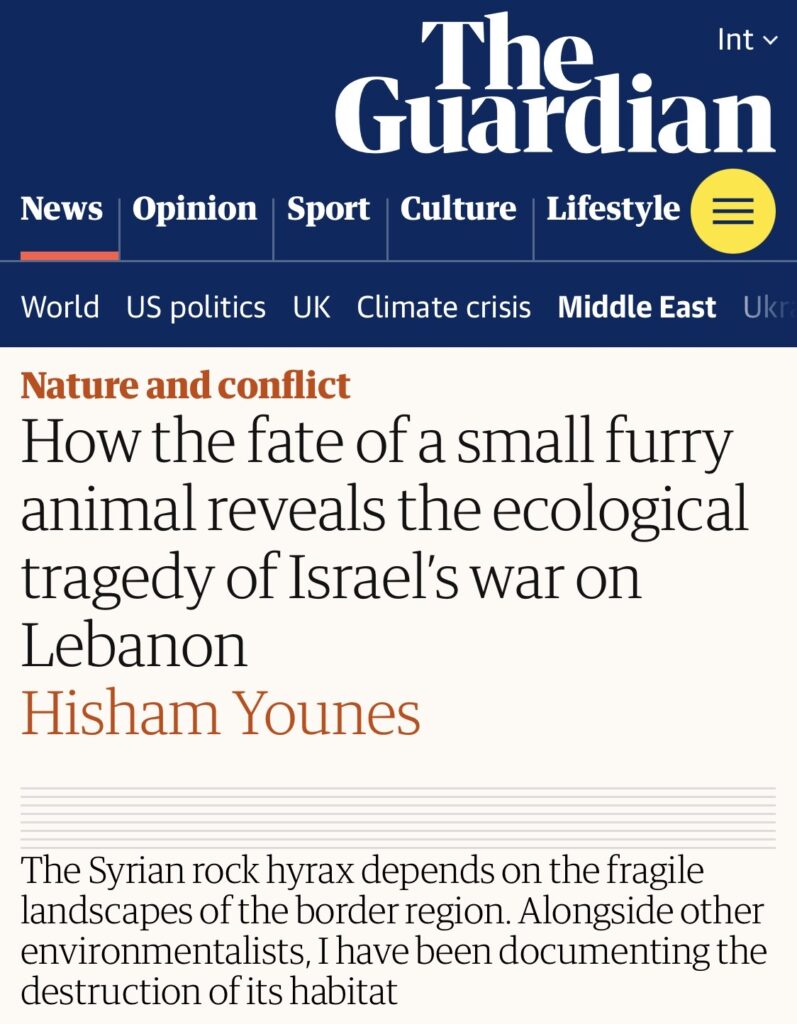
The article was written by Hisham Younes, founder and president of Green Southerners, a Lebanese environmental organization that has spent years documenting wildlife and biodiversity in southern Lebanon. Since the war began, however, the organization has also become an outspoken campaigner over Israeli military activity, repeatedly accusing Israel of “ecocide” and a “scorched earth” strategy.
The first two photographs in The Guardian article, both showing hyraxes, were supplied by Green Southerners itself.
Environmental damage caused by warfare is a legitimate subject for journalism. Wildlife and habitats can unquestionably suffer during military conflicts.
But look at how this particular conflict is presented.
There are hyraxes.
There are destroyed habitats.
There are burned landscapes.
There is repeated Israeli “bombardment.”
There are villages described as being under Israeli “occupation.”
There is just one rather conspicuous absence.
Hezbollah.
The organization whose military presence and activities form a fundamental part of the conflict does not appear once in the article.
Israel’s explanation does eventually appear, at the very end. The IDF says that it does not target wildlife, that its operations are directed solely against military targets and that precautions are taken to minimize environmental harm.
There is another detail worth noticing.
For all the certainty communicated by the photographs and headline, the article itself acknowledges significant uncertainty.
Younes writes that the status of some hyrax colonies “requires field verification.” He acknowledges that direct and indirect damage cannot properly be assessed without access and comprehensive field surveys. There is no official nationwide assessment of Lebanon’s rock hyrax population, and the article concedes that the full ecological cost of the conflict cannot yet be measured.
Yet the visual narrative has already been established.
A small, vulnerable animal.
Its disappearing home.
And Israel.
We’ve seen the power of emotionally resonant imagery throughout coverage of this conflict: children framed against destruction, ordinary objects isolated among rubble, soccer balls providing an instant connection to civilian life.
Now wildlife can perform much the same visual function.
That doesn’t make the environmental questions illegitimate.
It makes the framing worth examining.
Because photographs do something statistics and military statements rarely can. They create an emotional relationship before the reader has absorbed a single paragraph of context.
And three small furry animals looking out from between the rocks do that remarkably well.
The subject may have changed. The mechanism hasn’t.
Liked this article? Follow HonestReporting on Twitter, Facebook, Instagram and TikTok to see even more posts and videos debunking news bias and smears, as well as other content explaining what’s really going on in Israel and the region. Get updates direct to your phone. Join our WhatsApp and Telegram channels!
© Divuach Ne’eman R”A, 2025