

Israeli President Isaac Herzog arrived in Australia for one stated purpose: solidarity.
He was invited in the aftermath of a terror attack that left 15 Jews murdered, amid a surge of antisemitic incidents across the country. Herzog’s role in Israel is ceremonial. He does not direct military operations or set government policy. Yet his visit sparked large protests in Sydney and Melbourne, with activists attempting to portray him as a war criminal.
Some media coverage followed a similar script.
Rather than focusing on why such a visit was deemed necessary — a Jewish leader standing with a shaken Jewish community — certain outlets elevated a small anti-Zionist Jewish group and framed it as representative of Australian Jewry at large. Many mainstream Australian Jewish organizations publicly welcomed Herzog. Those voices received far less attention.
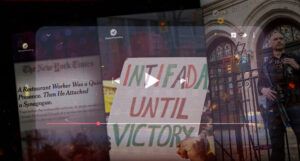
One New York Times headline described the visit as creating a “tinder box.” The implication is striking. A Jewish president arrives after Jews are murdered, and the story becomes the controversy surrounding his presence.
That is not context. It is inversion.
The issue is not that a foreign leader expressed solidarity. The issue is that antisemitic violence made that solidarity necessary. When media framing obscures that reality, it shifts focus away from the hatred itself and onto the response to it.
Found this video interesting? Follow the HonestReporting page on Facebook to catch more videos, and read articles debunking news bias and smears, as well as others explaining Israel’s history, politics, and international affairs. Click here to learn more!