October 7 was the second day of my new walking routine.
I had started the previous morning as a Jewish New Year resolution. Get out every day and walk.
At 6:34 a.m., the siren started.
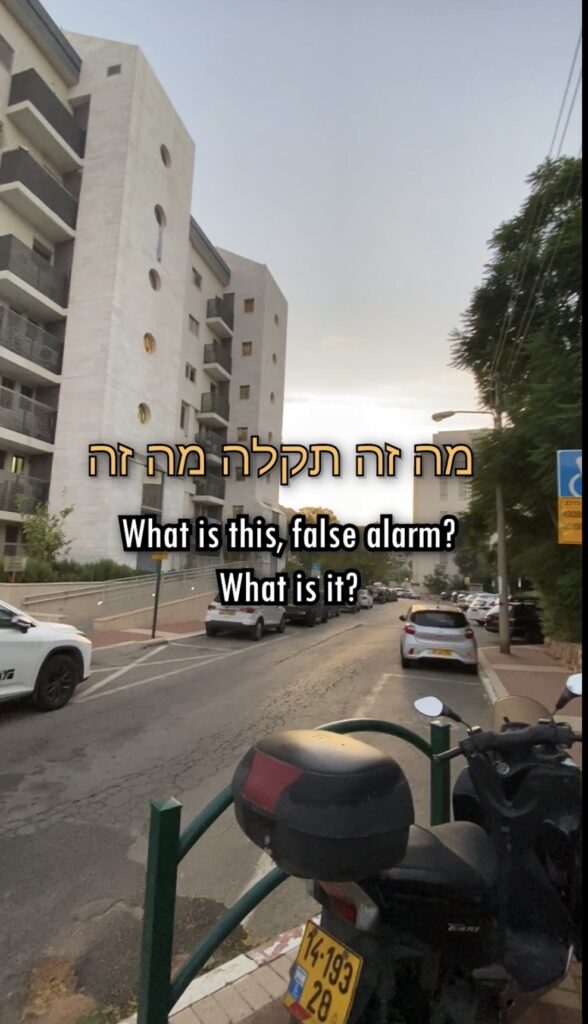
I took out my phone and began filming.
I didn’t think about it. That is probably the part I understand best now.
Photographers do strange things when something happens in front of them. We look. We frame. We record. Sometimes the camera gives us something practical to do while the brain is still trying to understand what is happening.
I have done that for most of my working life.
A camera gives me something to do with fear.
Watch the video now and there is remarkably little to see.
Early morning light. A quiet residential street in Kfar Saba. Parked cars. Trees. A pedestrian crossing. The frame moves as I walk, then holds still as I stop and look up.
Nothing in those pictures tells you what is happening elsewhere in Israel. Nothing tells you what October 7 is about to become.
I certainly didn’t know.
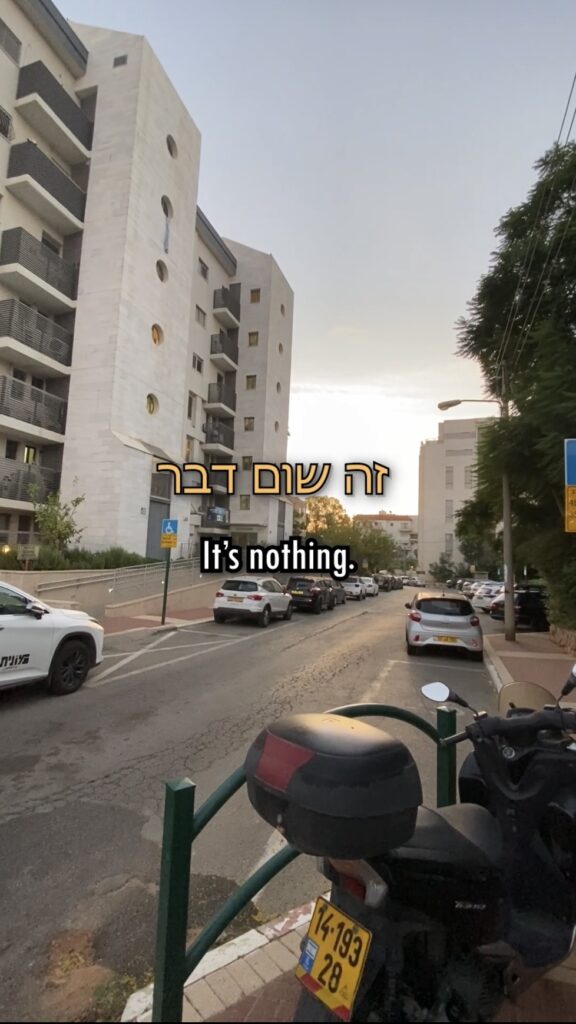
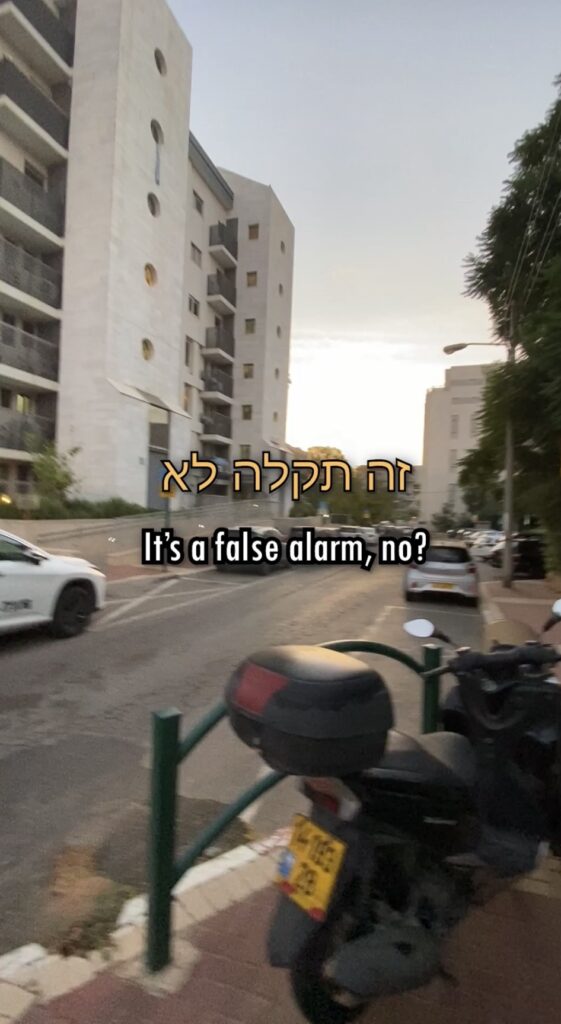
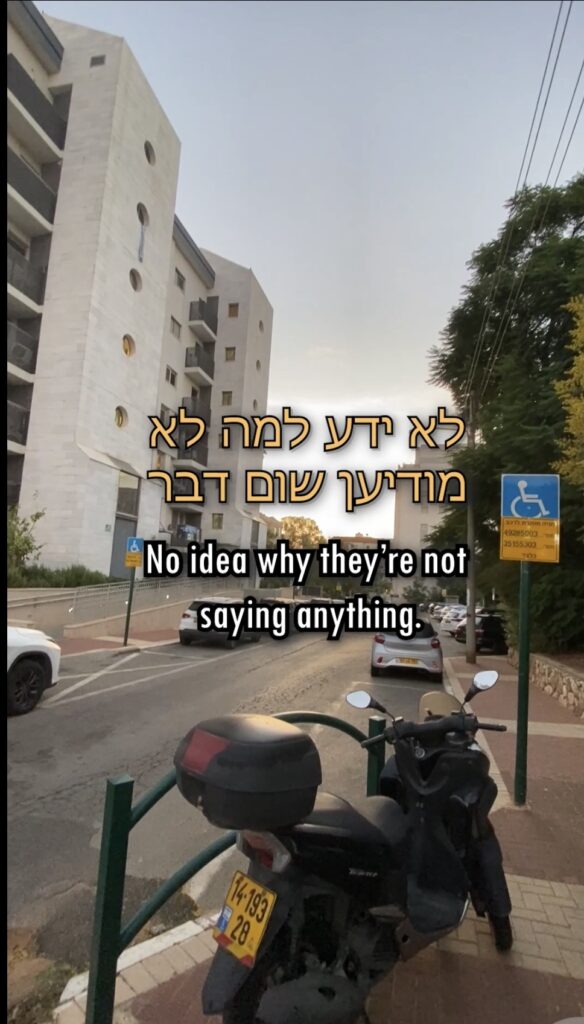
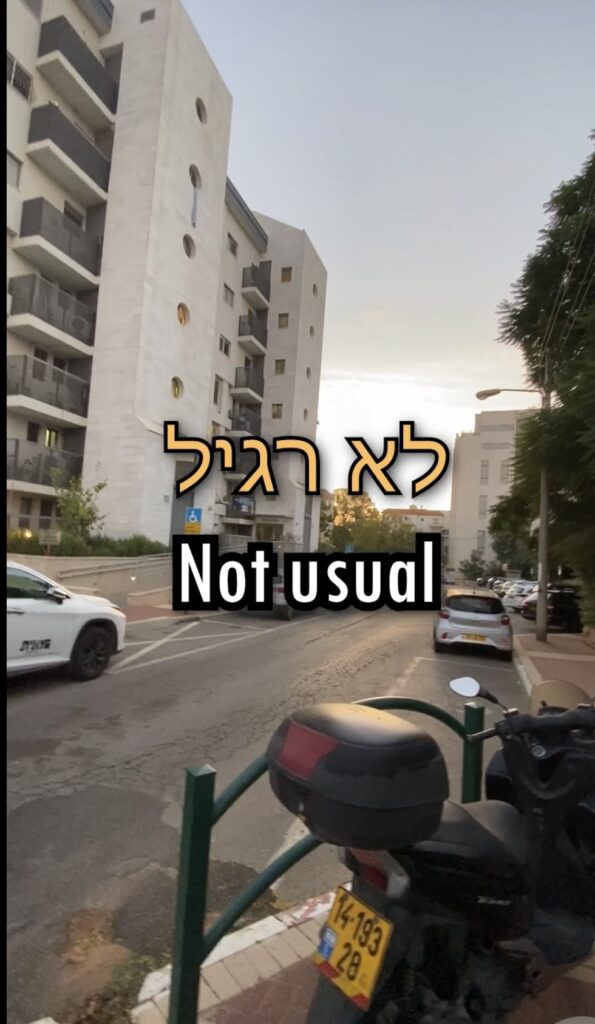
Three years later, I have spent an extraordinary amount of my professional life looking at photographs taken that morning.
Wire-service photographs. Freelance photographs. Pictures from Gaza rooftops before sunrise. Rockets in the sky. The border. The breached fence. Israeli communities. Hostages. Bodies.
I have looked at where photographers were standing, when they got there, what they could see, and where they went next.
I have also looked for the pictures that never reached us.
Photographers have subsequently spoken about material they withheld, pictures they did not send, and occasions when cameras were lowered. Once a photographer decides not to make a picture, deletes it, or keeps it away from the picture desk, an editor thousands of miles away never gets to make that choice.
My own video reminds me to be careful about what a camera can prove.
I know exactly why I was filming when the siren sounded.
I was out walking. I heard the siren. I am a photographer.
My hand went to the camera.
Muscle memory.
I knew nothing.
That matters when I look at somebody else’s photographs from October 7. A photographer being somewhere with a camera does not establish that he knew what was coming. A timestamp does not establish intent.
So I look at the time, where the photographer was standing, how he got there, and what happened to his pictures afterward.
Those are questions. They require evidence.
Then I watch my own video again.
For all the thousands of October 7 photographs I have examined since that morning, these are the pictures that take me straight back there.
There is no massacre in them. No terrorist. No hostage. No burning house.
Just an ordinary Israeli street at 6:34 in the morning and the sound of a siren.
Towards the end of the recording, somebody asks: “What is this, a false alarm?”
Three years later, those are the hardest words for me to hear.
It wasn’t.
Liked this article? Follow HonestReporting on Twitter, Facebook, Instagram and TikTok to see even more posts and videos debunking news bias and smears, as well as other content explaining what’s really going on in Israel and the region. Get updates direct to your phone. Join our WhatsApp and Telegram channels!
© Divuach Ne’eman R”A, 2025