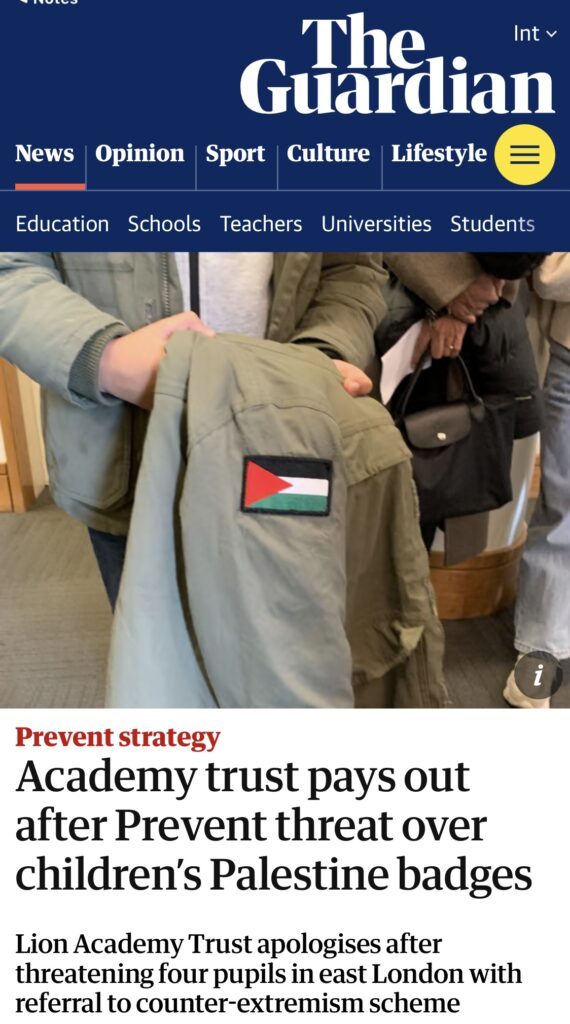
Leyton is in the heart of London’s East End, where I was born and raised, ten minutes from my childhood home. At 17, I covered my first soccer match as a sports photographer at Leyton Orient. When I read The Guardian’s report that a Leyton school trust had agreed to compensate children threatened with Prevent counter-terrorism referrals over Palestinian badges, I knew the neighborhood. What took rather more explaining was how Pudsey Bear had become involved.
For readers outside Britain, Children in Need is the BBC’s annual fundraising appeal supporting disadvantaged children across the United Kingdom. Its television broadcasts and school fundraisers have been part of British life for decades. Pudsey, the yellow teddy bear with a spotted bandage over one eye, is its mascot. You see him and know somebody is collecting money to help children.
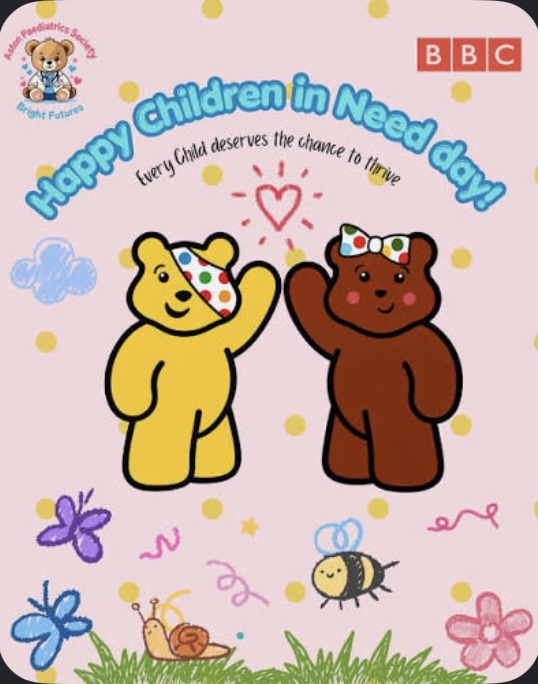
Apparently, even he now needs a position on the Middle East.
At Barclay Primary School’s Children in Need event in November 2023, one child wore a Pudsey sticker with a bow tie in Palestinian colors. Another wore a homemade Palestinian flag badge. Those details come from Leigh Day, the solicitors representing the four children whose claims have now been settled.
The idea of bringing Palestinian colors into the fundraiser had circulated among adults beforehand. The campaigning parents’ own timeline records an invitation shared in an unofficial parents’ WhatsApp group a month before the event. According to that account, a parent encouraged families to dress their children in Palestinian colors for Children in Need Day.
Parents are entitled to their political views. They are also responsible for deciding what they bring into a primary school through their children. An event built around a charity that families can support together becomes something considerably more difficult when adults decide it should also carry their message about a war.
That does not make a child wearing Palestinian colors a terrorist suspect. One of the children had lost 14 relatives in Gaza, according to the solicitors. His grief deserves to be taken seriously. The allegations that he was made to eat separately, prevented from playing outside with classmates, and deprived of his coat are disturbing. I would not want a Jewish child treated that way, and I will not defend it happening to a Palestinian child.
The families also alleged that the school had previously encouraged support for Ukraine through fundraising, the display of national symbols, and classroom discussion. A school that allows one cause into its classrooms has an obligation to explain the rules when it refuses another. Invoking political neutrality after making exceptions invites precisely that challenge.
Lion Academy Trust has apologized and agreed financial settlements, which the court approved on November 19. This was a negotiated settlement, rather than a trial judgment that established every allegation. It resolves the claims brought by those families. It does not settle the broader question of what adults should be turning a school charity day into.
The subsequent history makes that question rather more pressing. In December 2023, the school closed early for Christmas amid reported threats against staff. By January, the trust was reporting racial abuse and threats of arson against the school and individual employees. Private security and an increased police presence followed, with a warning that children might have to return to online learning. There is no basis here for attributing those threats to the four families. There is every reason to remember that they happened.
As a photographer, I also noticed what was being used to illustrate the settlement. The Novara Media and Eye on Palestine posts shared a photograph of campaign badges that prominently displayed “From the river to the sea” alongside “Defend Kneecap.” The legal account describes a Pudsey sticker and a homemade Palestinian flag badge. It does not establish that these children wore the slogans in the photograph.
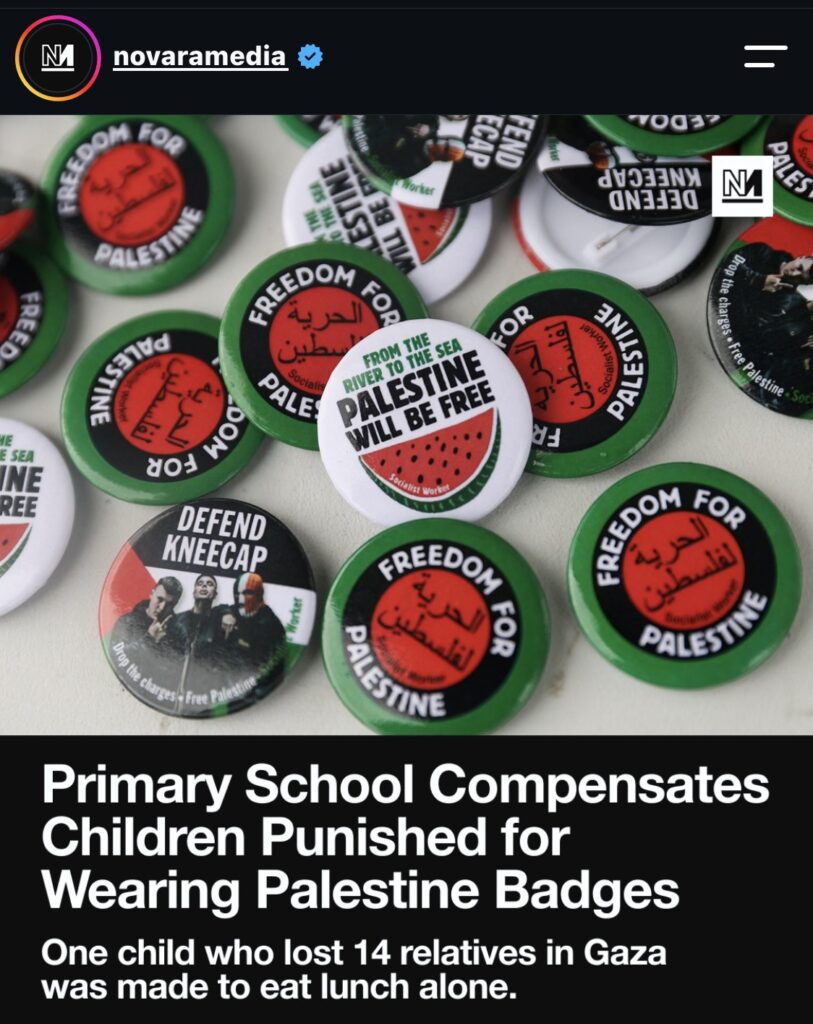
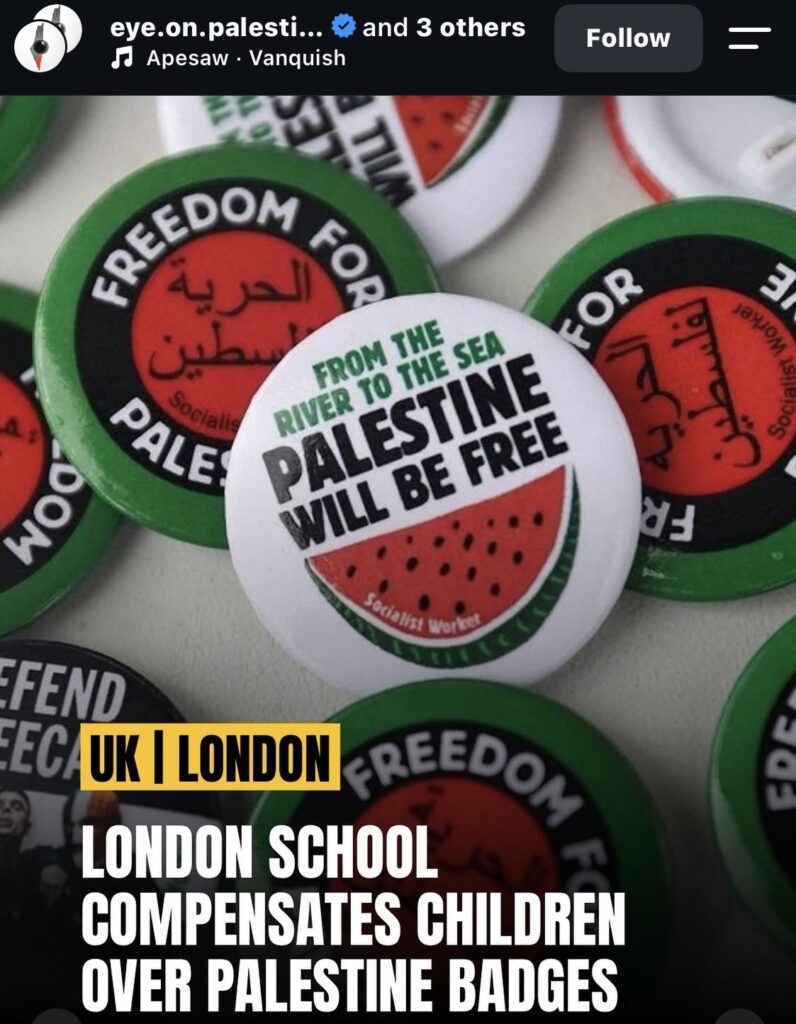
A reader scrolling past could easily miss that distinction. The image gives the story the appearance of a victory for the wider campaign, while the children’s actual case concerned their treatment at school. Picture selection has done some useful political work before anyone reaches the details.
I have written before about seeing the Palestinian cause associated with Britain’s remembrance poppy. Pudsey belongs to a different tradition, but my objection is familiar. Something people recognize and trust is borrowed to carry a message they may not necessarily agree with.
I would also like to know how an Israeli child would have been received at that fundraiser, weeks after October 7, wearing a symbol of grief for murdered relatives or family members held hostage. The standard should be easy enough to explain and equally easy to apply. Children should receive the same consideration regardless of whose flag their relatives live under.
I remember Leyton as somewhere a 17-year-old could begin a career on the touchline of a soccer ground. Reading about security guards and arson threats at a primary school there is painful. The children at Barclay deserved a charity day, compassionate teachers and adults capable of keeping their arguments from taking over the playground. They should not have needed solicitors, and their school should not have needed protection.
Liked this article? Follow HonestReporting on Twitter, Facebook, Instagram and TikTok to see even more posts and videos debunking news bias and smears, as well as other content explaining what’s really going on in Israel and the region. Get updates direct to your phone. Join our WhatsApp and Telegram channels!
© Divuach Ne’eman R”A, 2025