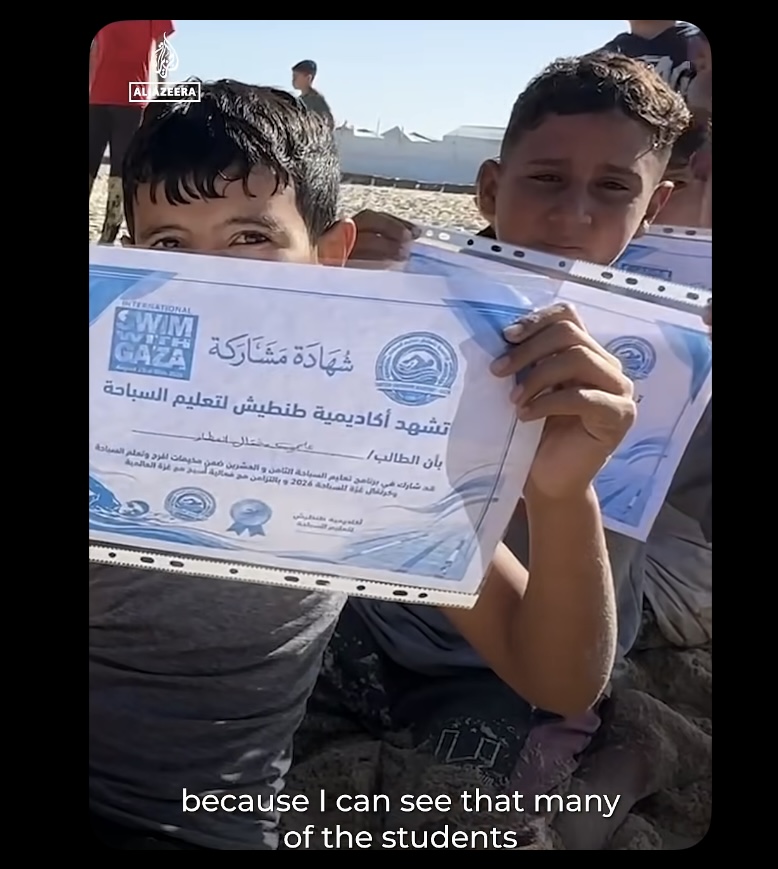
Al Jazeera has taken us to the beach. It is November 20 in Khan Younis, the temperature is 28°C, and children are warming up before a swimming lesson in the Mediterranean. There are instructors, interviews and participation certificates. Watching the children enjoying themselves, I see behavior familiar to anyone who has photographed a sporting activity anywhere in the world.
I am pleased they had that afternoon. I am also interested in what Al Jazeera expects its audience to do with these pictures after absorbing its coverage of Gaza’s suffering.
The opening temperature is unusually specific: “It’s 28°C (82°F) in Gaza.” There is no need to argue about whether sunshine in a photograph proves it was warm. The broadcaster supplies the figure itself.
Earlier that month, Al Jazeera had reported flooding and cold, followed by an infant’s death attributed to overnight hypothermia. The dates differ, and a warm afternoon does not disprove an earlier tragedy. But the contrast between the images deserves more attention than a passing temperature caption.
The impression of Gaza as a place of uninterrupted catastrophe is difficult to reconcile with this organized, cheerful afternoon unless viewers are allowed to recognize that conditions and experiences vary. People can suffer displacement and still organize a swimming lesson. Children can enjoy themselves without their enjoyment requiring an explanation that immediately returns the audience to devastation.
Yet even these pictures arrive with that explanation attached. The swimming is presented as relief from war, and the sequence places the activity against the loss of recreational spaces. That context may be relevant. What interests me is how consistently it determines the meaning viewers are invited to take from the images.
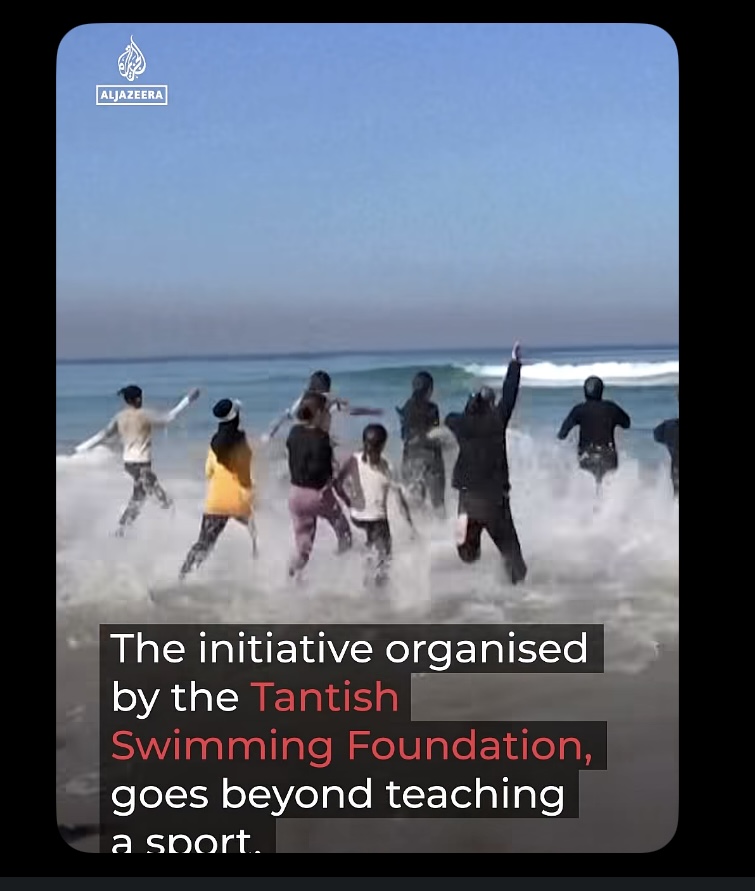
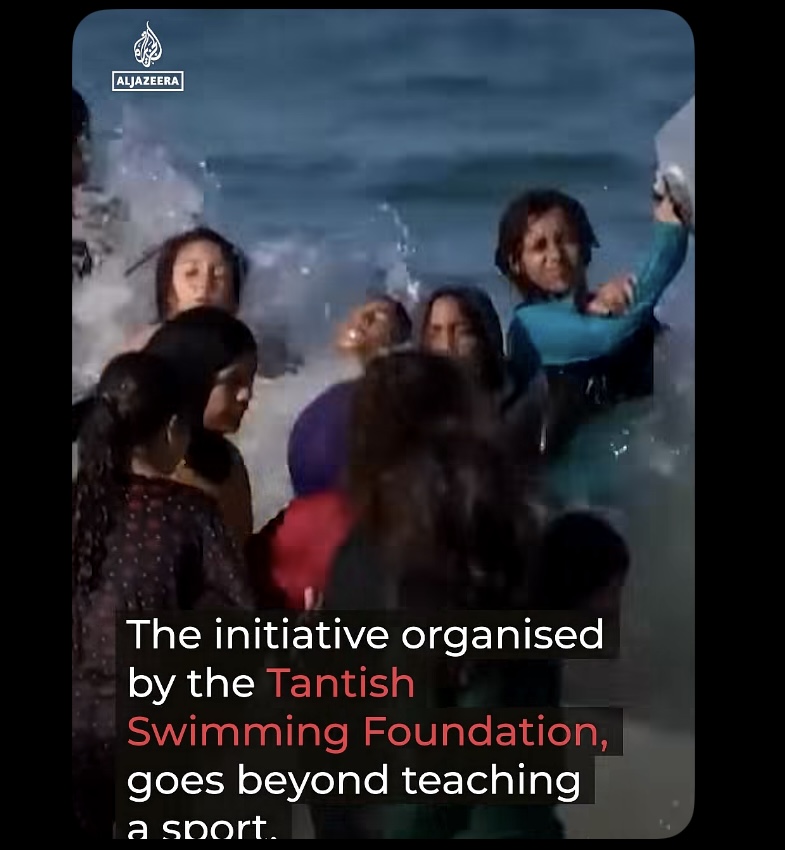
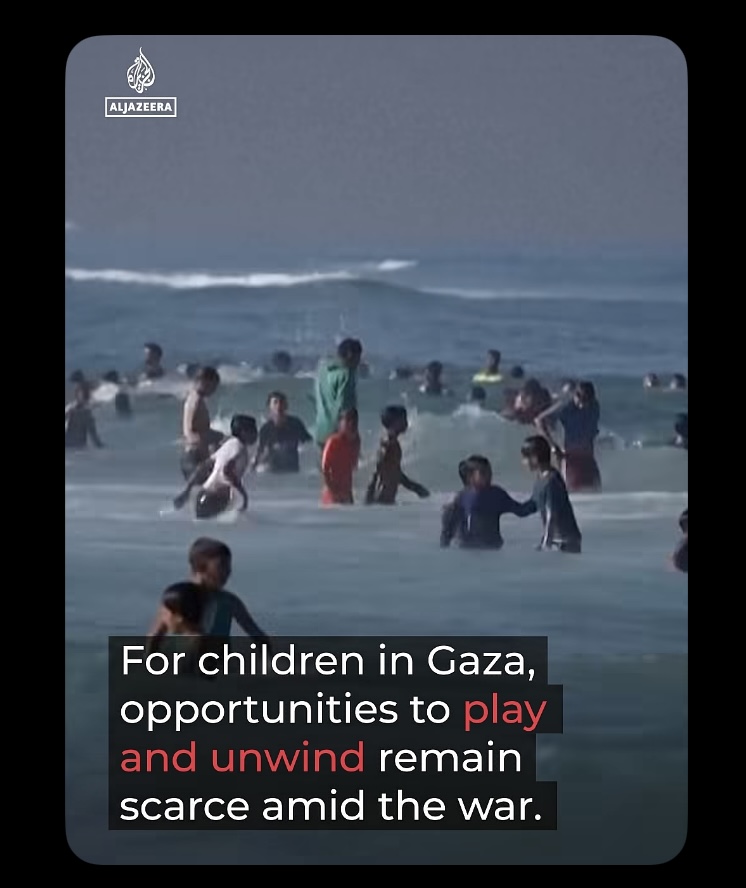
After enough coverage of this kind, even a child enjoying the sea becomes another illustration in the case against Israel. The child’s pleasure is acknowledged, but the interpretation has already been supplied.
I have photographed sport for much of my working life. I recognize an organized event when I see one: the group exercises, the instructors, the certificates and the interviews that give a television package its structure. AP’s account identifies the Tantish Swimming Foundation as the organizer. There is a functioning initiative here, with people capable of arranging an activity and children able to participate. That is information about Gaza, too.
It does not settle questions about food supplies, military conduct or the legal accusation of genocide. A swimming lesson could never do that. Equally, those accusations should not dictate the interpretation of every photograph taken in the territory. Readers ought to be able to see what a particular scene establishes without being pushed toward conclusions it cannot support.
Yesterday, I questioned The Guardian’s use of a photograph of a boy sweeping water. The concern here is broader than the height of a camera. It is the cumulative effect of imagery that encourages audiences to imagine one condition applying everywhere, continuously, until a sunny beach scene briefly interrupts it.
Al Jazeera did publish the swimming footage. It put the temperature on screen. The contradiction is with the sweeping impression that Gaza’s circumstances can be reduced to a single, unchanging picture of misery. Its own cameras show something more complicated, and its audience should be encouraged to notice.
Nobody should have to apologize for these children having fun. Nor should viewers feel obliged to explain the pictures away. If Al Jazeera can tell us it is 28 degrees when the swimming starts, it can trust us to remember that when the next winter catastrophe arrives on our screens.
Liked this article? Follow HonestReporting on Twitter, Facebook, Instagram and TikTok to see even more posts and videos debunking news bias and smears, as well as other content explaining what’s really going on in Israel and the region. Get updates direct to your phone. Join our WhatsApp and Telegram channels!
© Divuach Ne’eman R”A, 2025