Key Takeaways:
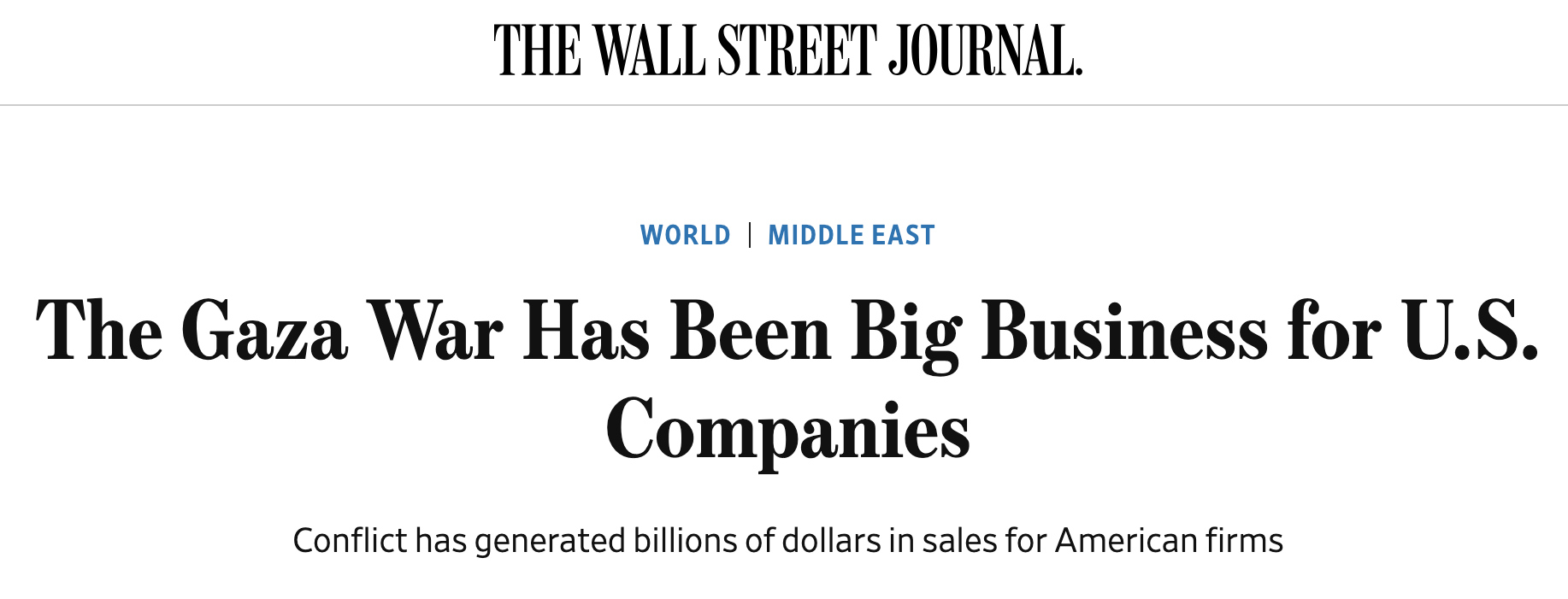
The article notes that since October 2023, Washington has approved more than $32 billion in arms, munitions, and other military support to Israel. And it mentions that much of that money flows directly into the coffers of American contractors like Boeing, Lockheed Martin, Northrop Grumman, and Caterpillar.
But the article doesn’t mention a crucial and often misrepresented truth: American taxpayer dollars are not simply being “given” to Israel in a way that benefits Israel alone. On the contrary, most of the financial aid must be spent on U.S.-made weapons, boosting jobs and profit at home. That means critics who claim the U.S. is “just throwing away money” on Israel are missing half the story — this is aid that benefits America’s military-industrial complex.
Military Aid Only
Let’s be clear: this aid is military. According to independent research by the Costs of War Project at Brown University, since October 2023, the U.S. has provided at least $21.7 billion in military assistance to Israel — and that figure does not include future arms sales contracts already signed. It is not being used for healthcare, education, or civil infrastructure. It’s going into defense systems.
Why this matters is not merely a fiscal argument, but a political and ethical one. Many Americans assume it’s foreign assistance for a key ally. But in reality, it’s more like a guaranteed export market for U.S. defense companies. The WSJ report even describes multi-billion dollar deals for F-15 fighter jets, guided bombs, and transport vehicles.
Israel is also not the only country that receives military aid from the U.S. In fact, many other countries receive both military and financial aid from Washington, including, for example, Egypt, Jordan, and Taiwan:
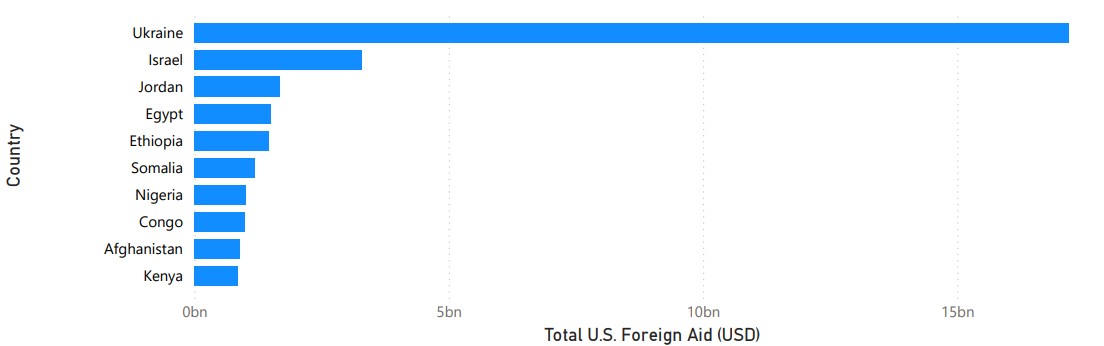
Largest U.S. Foreign Aid Recipients in 2023*
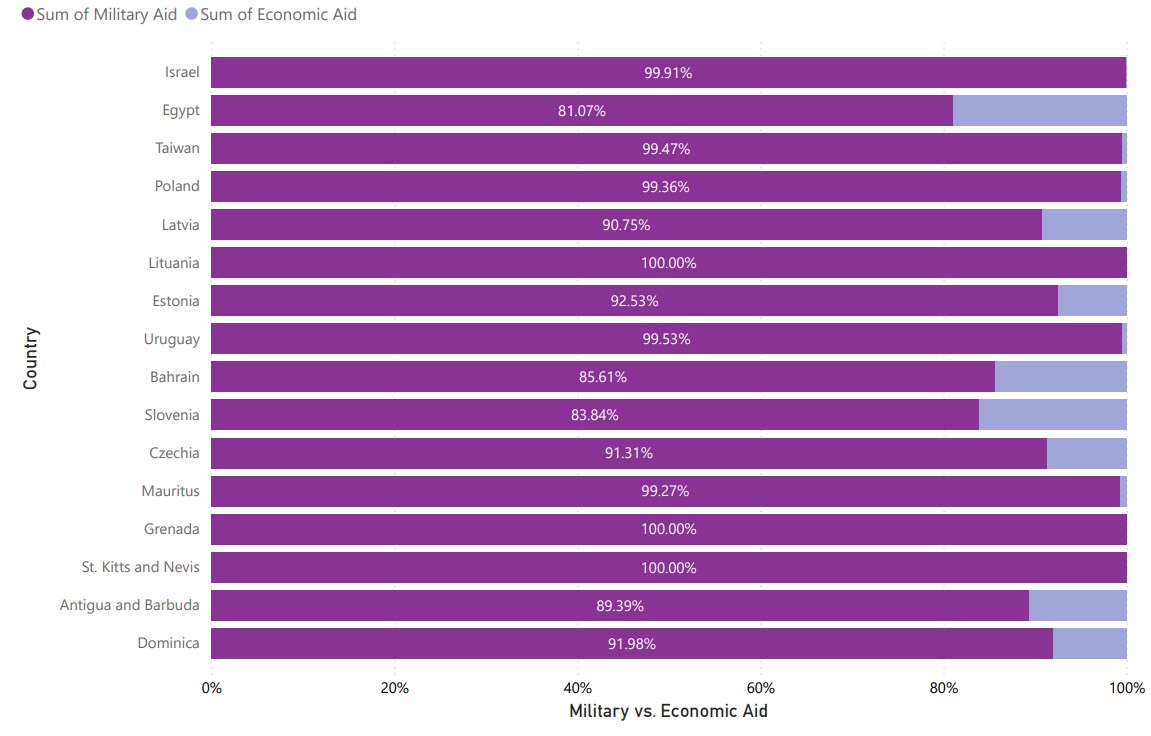
Countries with Most Militarized U.S. Aid Packages in 2023*
*Source: Countries That Receive the Most Foreign Aid From the U.S.
There’s also another nuance often overlooked: Israel is required by law to buy a significant portion of this military equipment from U.S. suppliers. Under the long-standing Foreign Military Financing (FMF) framework, much of the “aid” works like a credit line to purchase American arms.
Some will argue this is sound strategic policy — the U.S. supports a democratic ally while keeping its own defense industry humming. But the optics are troubling. To taxpayers, it looks and feels like a huge cash outlay, while in reality it’s a carefully structured transaction that enriches U.S. corporations and creates more American jobs.
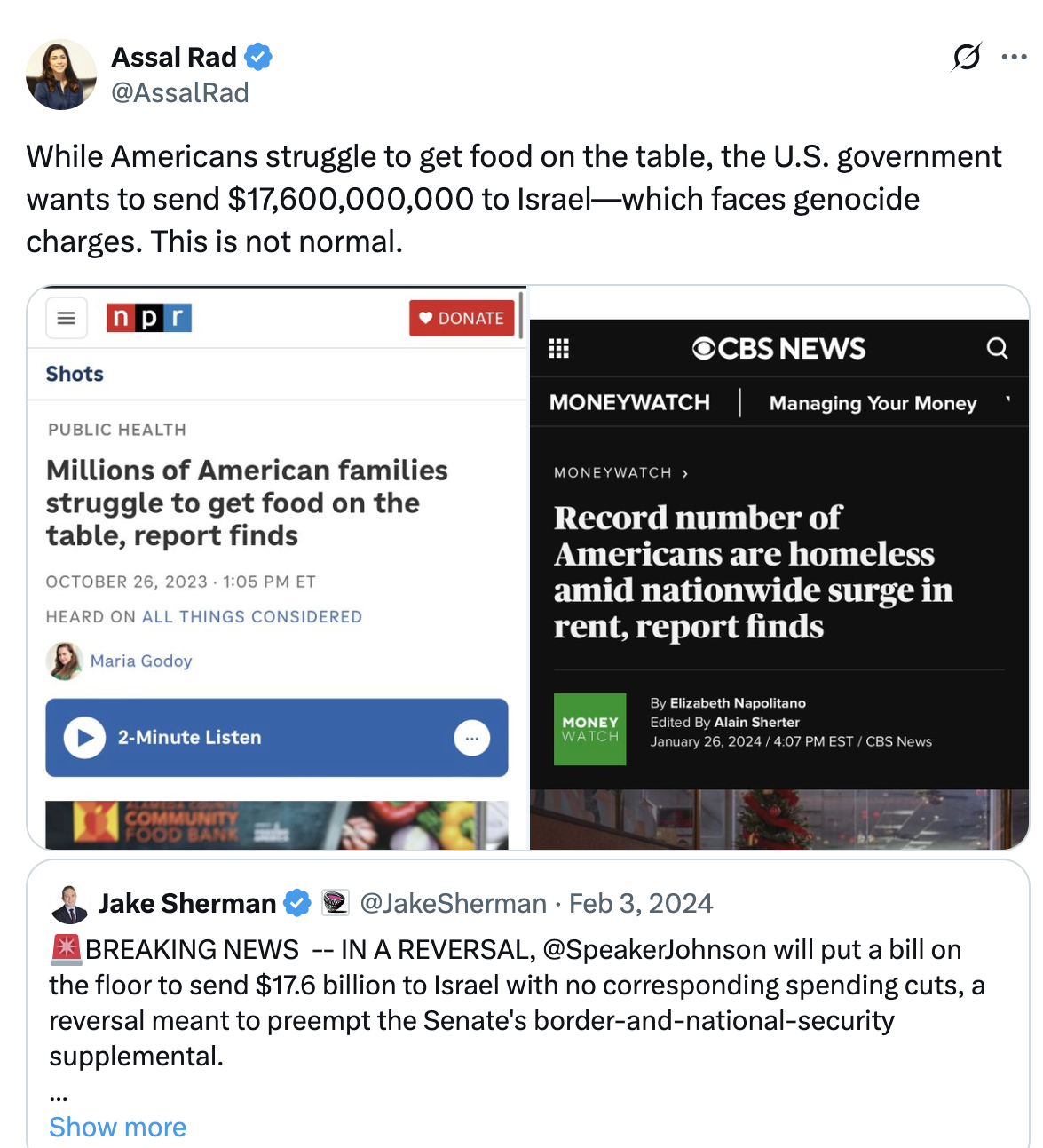
It also gives anti-Israeli voices a reason to demonize Israel, as if the U.S is financing a rogue nation committing “genocide” while Americans struggle to get food on the table:

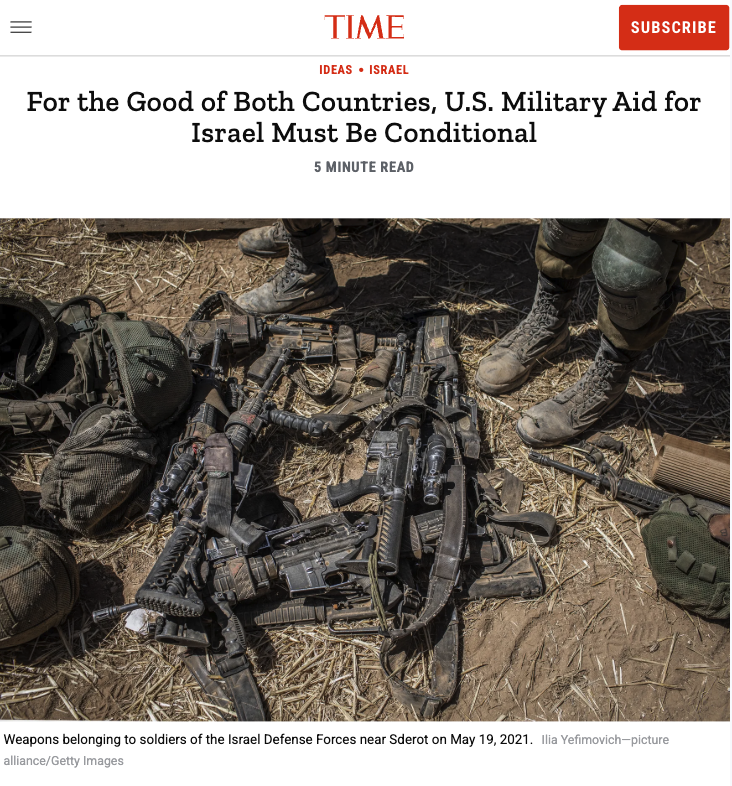
And despite calls from human-rights advocates and anti-Israeli media outlets to tie U.S. military assistance to accountability or humanitarian behavior, the current system remains deeply transactional.
In any case, Israel’s Prime Minister Benjamin Netanyahu recently said he plans to make Israel’s arms industry “totally independent” in the coming years.
But until then, the reality is that U.S. military aid to Israel is not a simple philanthropic gesture. It’s a strategic investment in U.S. defense firms. That aid doesn’t help build Israeli hospitals or schools; it builds fighter jets and bombs bought from American suppliers to defend the Jewish state. This is not charity. It’s commerce. And American taxpayers should understand exactly where their money is going and who benefits most.
Liked this article? Follow HonestReporting on Twitter, Facebook, Instagram and TikTok to see even more posts and videos debunking news bias and smears, as well as other content explaining what’s really going on in Israel and the region. Get updates direct to your phone. Join our WhatsApp and Telegram channels!
© Divuach Ne’eman R”A, 2025