


Key Takeaways:
- A single published photograph may be selected from dozens of frames taken within seconds, which means the chosen image may not represent the full reality of the event.
- Modern burst mode photography allows editors to pick expressions or moments that reinforce a headline, even when other frames show a very different impression.
- Image selection alone, without editing or manipulation, can shape how readers perceive political figures and public events.
Modern news photography is often assumed to show reality as it happened. In fact, what readers see is usually not the event itself, but a single frame chosen from dozens, sometimes hundreds of nearly identical images taken within seconds of each other.
The difference between those frames can completely change how a moment is perceived.
A recent article published by The Daily Beast provides a clear example of how image selection alone can shape the narrative of a political story, even when the photograph itself is genuine and unaltered.
The Published Image
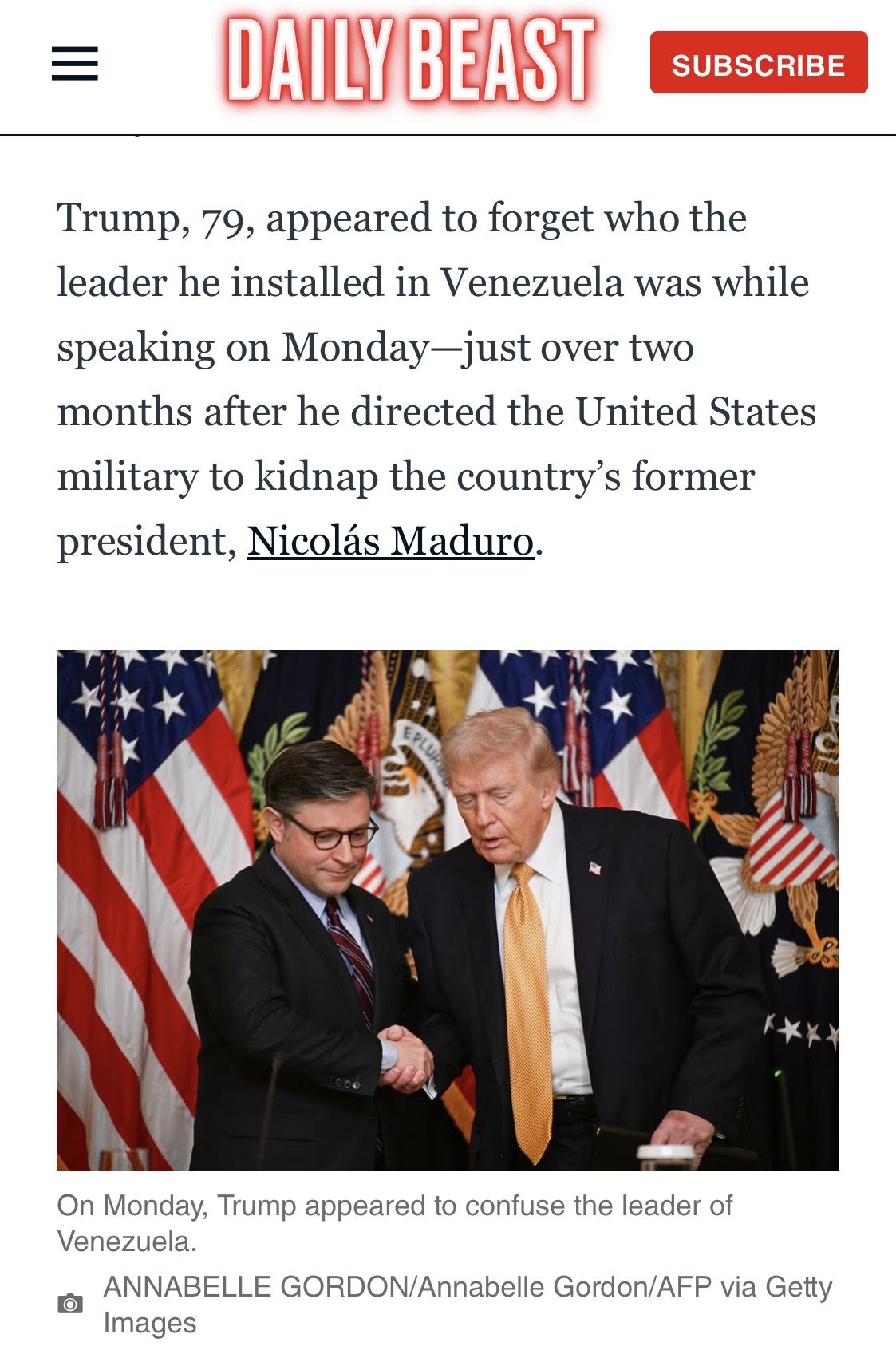
The article claimed that Donald Trump “appeared to forget” details while speaking during a White House event.
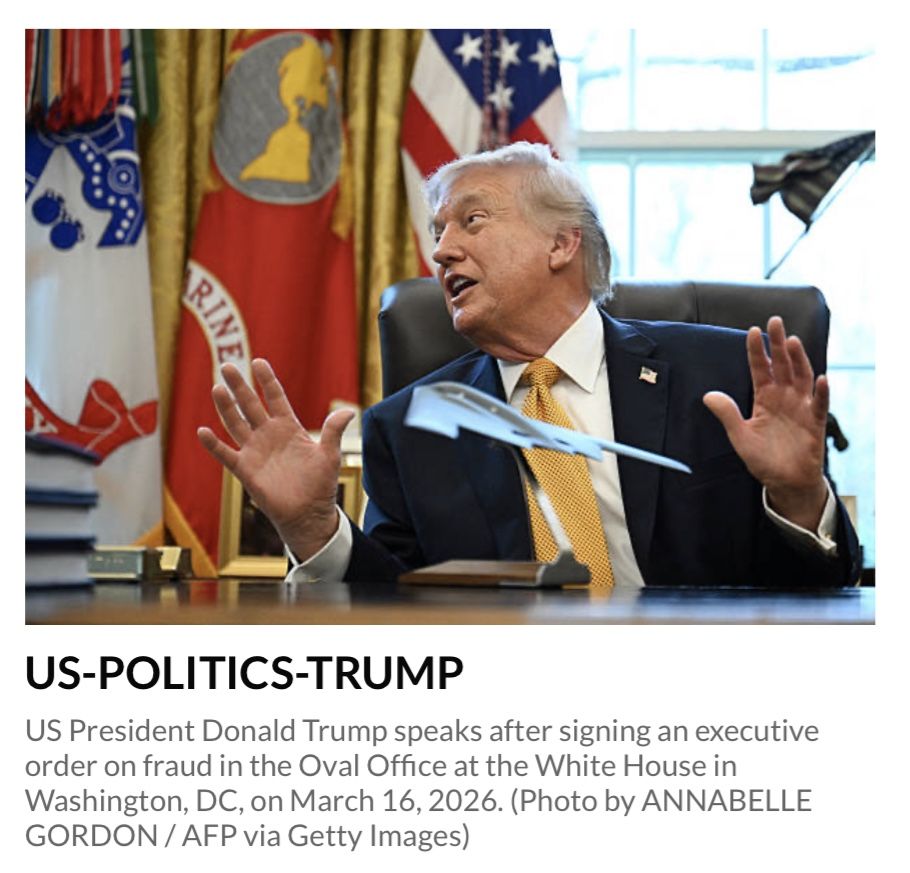
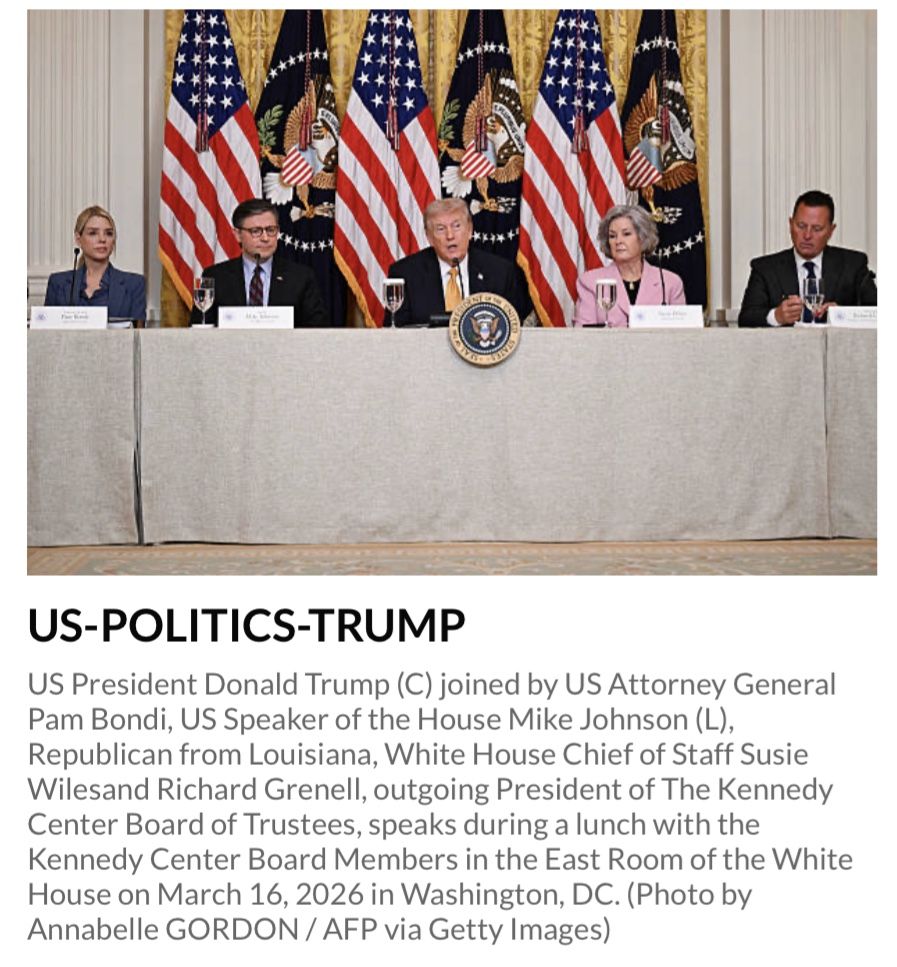
To illustrate the claim, the article used a photograph showing Trump looking downward while shaking hands during a formal meeting in the East Room.
Viewed in isolation, the image can suggest hesitation, confusion, or uncertainty.
However, a review of the full photo sequence taken at the same event tells a very different story.
The Full Sequence Tells a Different Story
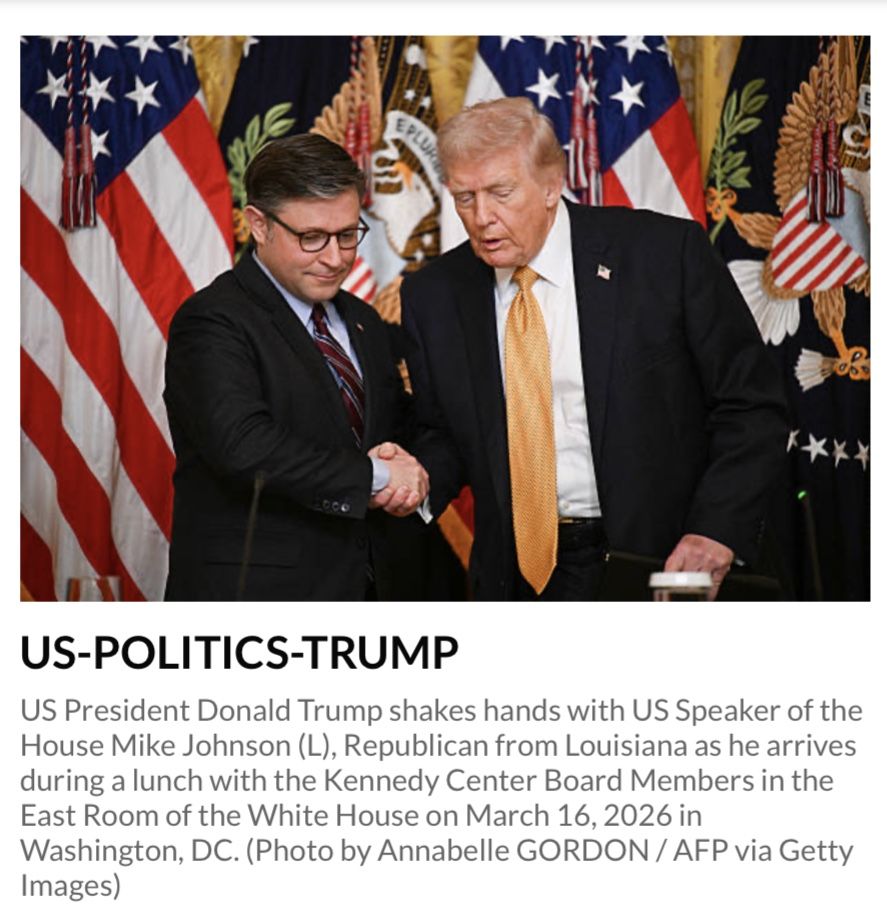
The photograph used in the article was taken by AFP photographer Annabelle Gordon and distributed through Getty Images.
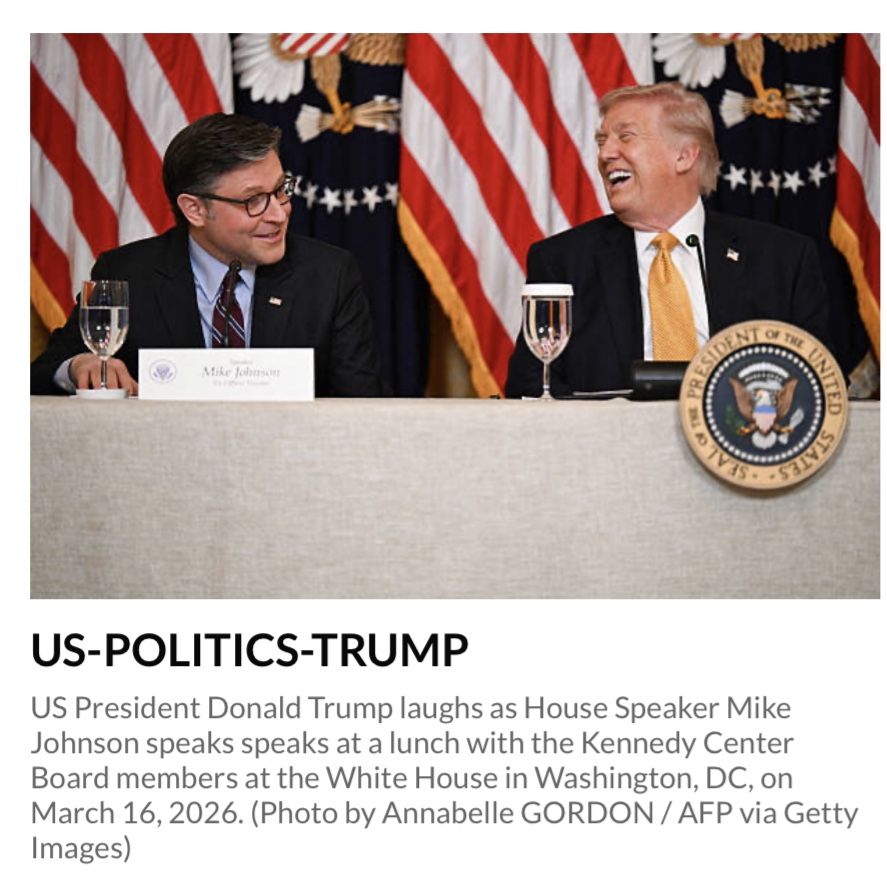
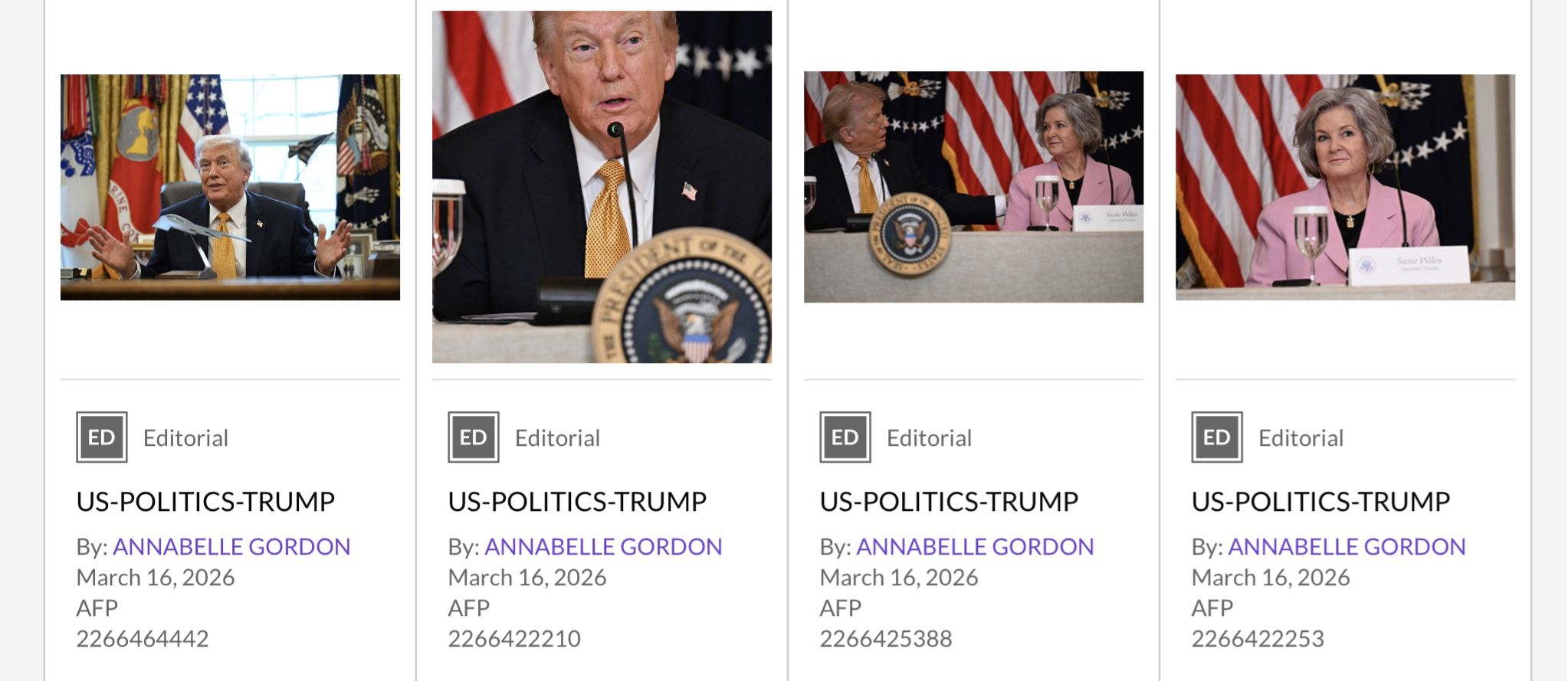
The Getty archive shows that the image came from a longer sequence shot during the same meeting, on the same day, in the same room, within the same few minutes.
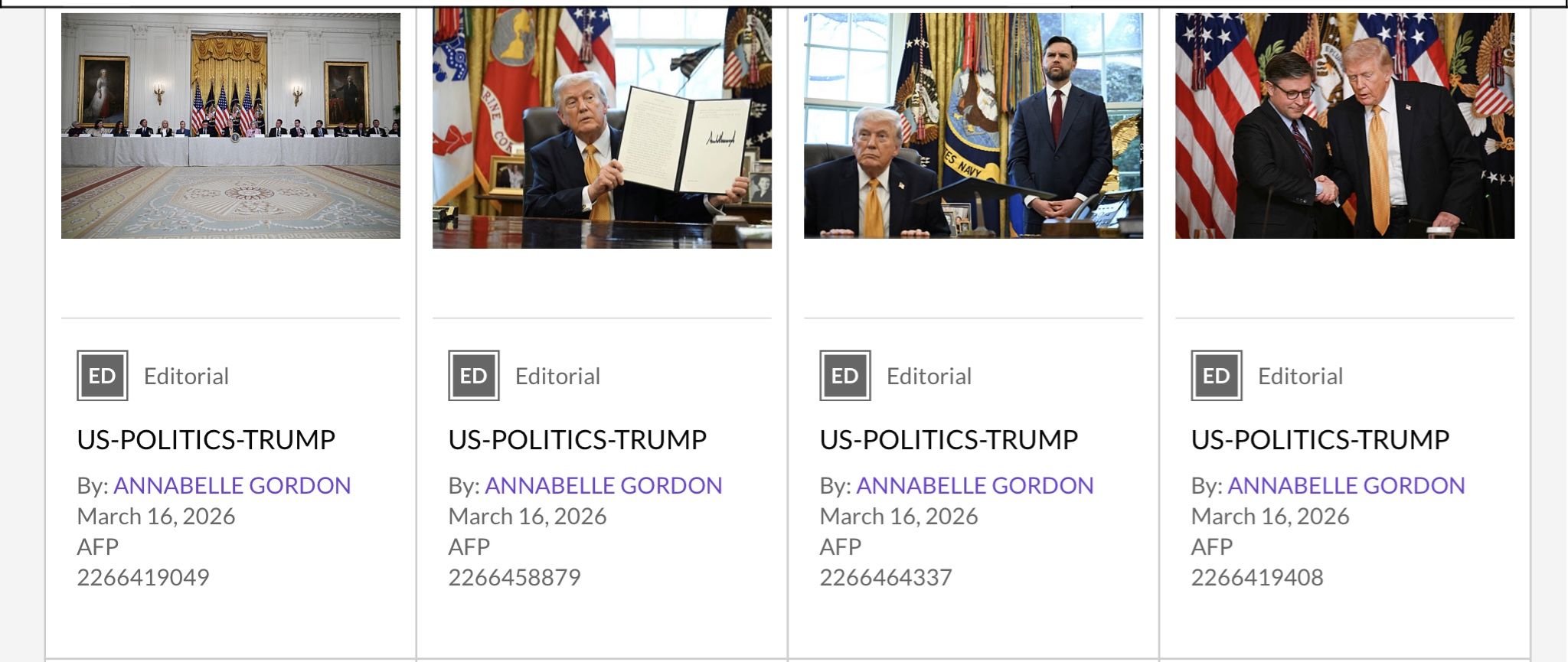
Other frames from the same sequence show:
- Trump laughing during the event
- Trump speaking normally at the table
- Trump signing documents in the Oval Office
- Wide shots showing the full context of the meeting
- Neutral expressions between exchanges
None of these images suggests the confusion implied by the article’s headline.
The event itself appears routine, formal, and controlled.
What changed the impression was not the event, but the frame that was chosen.
The Full Sequence Tells a Different Story
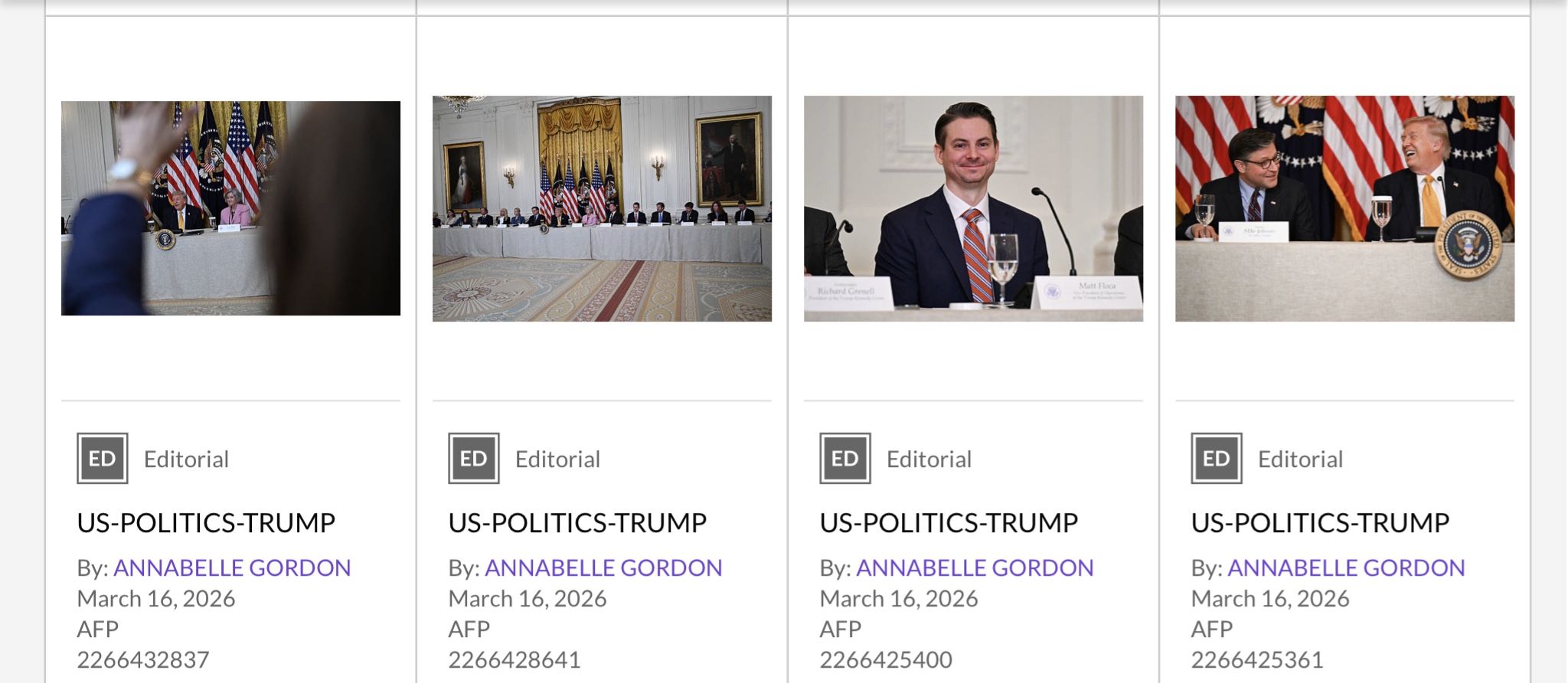
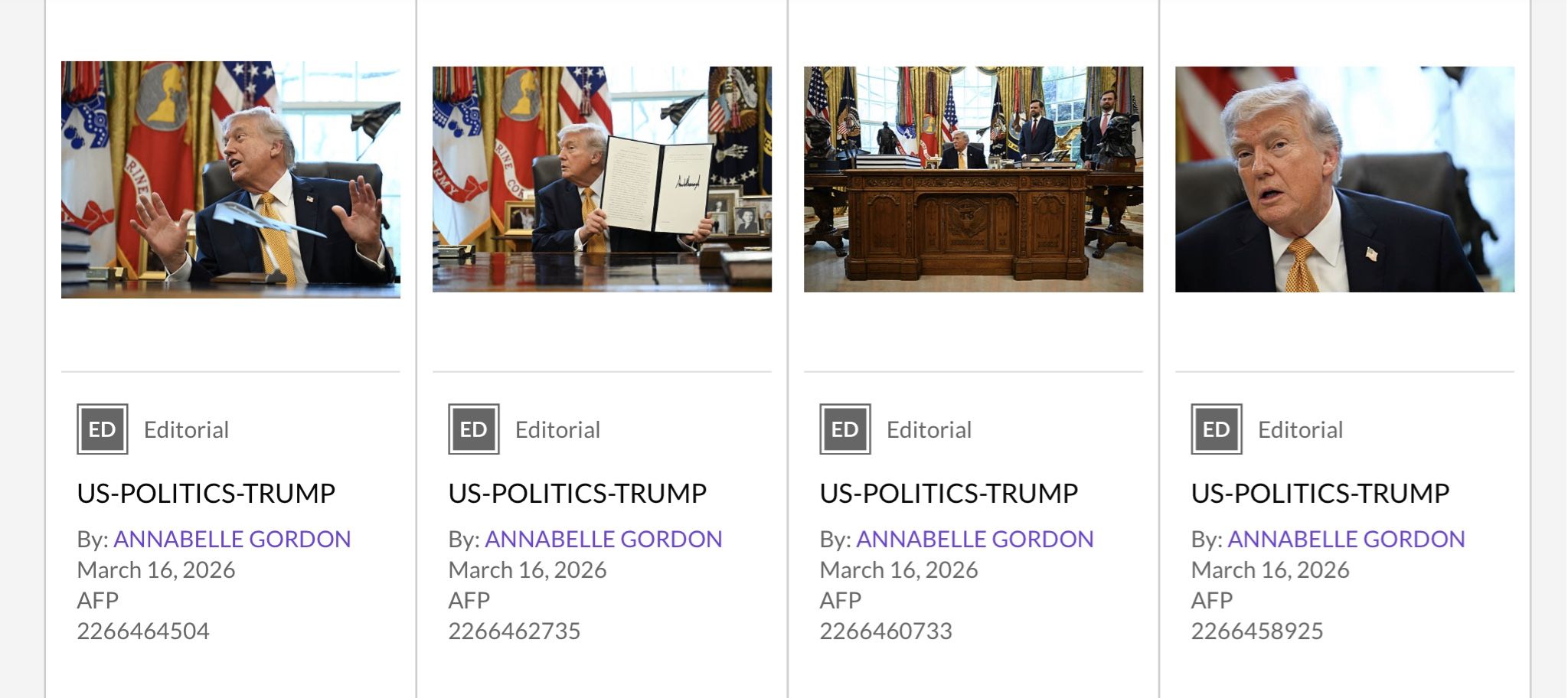
How Burst Photography Works
Modern news photographers rarely take a single shot.
During political events, photographers often shoot in burst mode, capturing multiple frames per second. Within a single second, facial expressions and body language can change dramatically.
A sequence may contain:
- Neutral expression
- Mid-speech expression
- Awkward blink
- Half-closed eyes
- Smile
- Laughter
- Serious look
All of these are real.
But they do not all tell the same story.
Editors must choose one frame to represent the moment.
That choice can unintentionally or deliberately reinforce the narrative suggested by the headline.
Selection Can Shape Meaning Without Altering Reality
In this case, the photograph used by the article is authentic.
It was taken at the event described. It was not edited or manipulated.
Yet the chosen frame emphasizes a moment that appears uncertain, while other frames from the same sequence show the subject relaxed, engaged, and interacting normally.
The result is that the visual impression aligns with the written claim, even though the broader sequence does not support that interpretation.
This is not fabrication.
It is selection.
And selection can be enough to change the story.
The Power of a Single Frame
News readers rarely see the full sequence behind a published image.
They see one photograph, paired with one caption, under one headline.
When that image is chosen from a burst of dozens of nearly identical frames, the difference between them may be subtle, but the impact on perception can be significant.
An awkward moment can look like confusion.
A blink can look like fatigue.
A pause can look like hesitation.
A smile can look like confidence.
All are real.
But only one is shown.
A Pattern Seen Across Political Coverage
This kind of frame selection is not unique to one outlet or one political figure.
Across modern media coverage, photographs of public figures are often chosen in ways that reinforce the tone of the accompanying article.
Images showing strength, weakness, anger, confusion, or composure can all be drawn from the same event, depending on which frame is selected.
Because the image itself is real, the effect is difficult for readers to detect.
Yet the visual impression may influence how the story is understood as much as the text itself.
Seeing Beyond the Frame
Photojournalism plays a vital role in documenting public life, but every published image represents a choice.
Understanding that choice, and recognizing that a single frame may not represent the full moment, is essential for anyone trying to read the news critically.
The camera records many frames.
The editor publishes one.
And sometimes, that one frame tells the story the headline wants to tell.
Conclusion
When a single image is chosen to represent a public event, the decision does not happen in isolation. A photograph passes through several stages before it reaches the reader, beginning with the photographer, continuing through the agency, and ending with the editor who selects the final frame for publication. Each stage carries responsibility.
Photographers working in burst mode often capture many nearly identical frames, including moments that are unflattering, awkward, or misleading when seen on their own. Experienced professionals know that not every frame should be transmitted, and not every transmitted frame should be used.
When an image that suggests confusion or weakness is selected while other frames from the same sequence show normal interaction, the result can shape the reader’s perception even though the photograph itself is real. In this case, the published frame gives an impression that is not supported by the wider sequence. That raises a legitimate question about editorial judgment and about the responsibility shared by photographer, agency, and publication in deciding which single moment will stand for the whole event.
Liked this article? Follow HonestReporting on Twitter, Facebook, Instagram and TikTok to see even more posts and videos debunking news bias and smears, as well as other content explaining what’s really going on in Israel and the region. Get updates direct to your phone. Join our WhatsApp and Telegram channels!