For nearly 30 years, I taught people how to talk about sex. Now I teach people how to interrogate media coverage of Israel. I’m sure that on paper, these two subjects seem like they have nothing to do with one another. But you’d be surprised; I didn’t really change careers. I do the same things I’ve always done. Let me explain.
Every day I walk into rooms filled with people who have loads of assumptions and ancestral baggage that they likely don’t know they have. My subjects are deeply personal and politically charged (despite what some may believe, sex ed is innately political). Talking about these topics often makes people uncomfortable, and yet, that discomfort is necessary if you really want to explore what you believe and why you have believed it. I’ve never been one to tell people what to think; rather, I encourage them to think for themselves. I teach them how to think.
It was once sex; now it’s Israel. Who would have guessed that the provocative topic du jour would be the Jewish homeland?
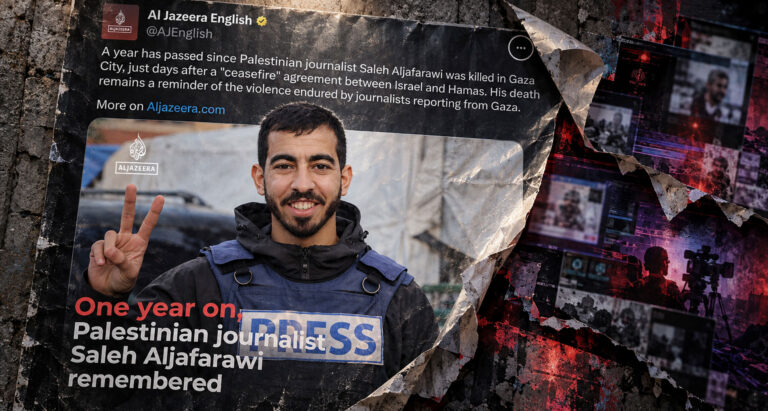
Questioning in and of itself isn’t bad despite what our super fragile world may suggest. But post-10/7, there seems to be a trend. If you ask where a casualty figure originated from, the assumption is that you are denying human suffering. If you ask about the origin of a viral image, you are accused of defending atrocities. Dare to question why a publication uses a demeaning term for Israelis but infantilizes Palestinians, and your politics will be called into question, rather than journalistic integrity. (I could share dozens of examples, but this is an HonestReporting blog, so the website is filled with examples.)
But questioning the media isn’t an act of violence or harm. It’s an act of intelligence. Media intelligence.
As an educator who has been devoted to developing critical thinking skills (and behaviors), I know that critical thinking is easy when it confirms what we already believe. But when it challenges our worldview, we often become unwilling to accept the truth, particularly if there is no daylight between our identity and our ideology.
None of us comes to these provocative subjects without personal perspective. We bring our own baggage with us: family stories, trauma, cultural assumptions, political loyalties, fears, and deeply held beliefs about who is right and who is wrong. It doesn’t mean we can’t understand the truth, but it means that we need to acknowledge how our deeply held values shape what we see.
This was always true in a sex ed classroom. At some point, when you hear something enough times, you are certain that it is true. When your values are challenged, you are quick to shut someone down rather than acknowledge diversity of thought. But there is a difference between fact and opinion. And shockingly, facts still matter, despite how many times you read a lie.
A viral post doesn’t guarantee you are receiving facts. Just because you’ve read something one thousand times from a source (or sources) you typically like, challenge the news anyway.
For thirty years, I taught students to evaluate messages that they received about sex from friends, television, advertising, pornography, and eventually, from social media. I asked them to think about where they came from, what the purpose of sharing them was, their accuracy, who benefited from them and who was harmed by them, and their impact. I never pretended that we could prevent those messages from reaching the masses. Instead, we had to teach people how to understand what they were seeing.
Today, I am doing exactly the same thing.
Liked this article? Follow HonestReporting on Twitter, Facebook, Instagram and TikTok to see even more posts and videos debunking news bias and smears, as well as other content explaining what’s really going on in Israel and the region. Get updates direct to your phone. Join our WhatsApp and Telegram channels!
© Divuach Ne’eman R”A, 2025