


Key Takeaways:
- In an image-driven media environment, claims of mass casualties typically generate immediate visual documentation. In the recent Iran school incident, such imagery was notably absent.
- The original claims originated with Iranian state media, yet many international outlets amplified them without interrogating the lack of independent photographic verification.
- When visual evidence is central to modern conflict reporting, the absence of imagery should itself become a subject of journalistic scrutiny.
The Claim and the Amplification
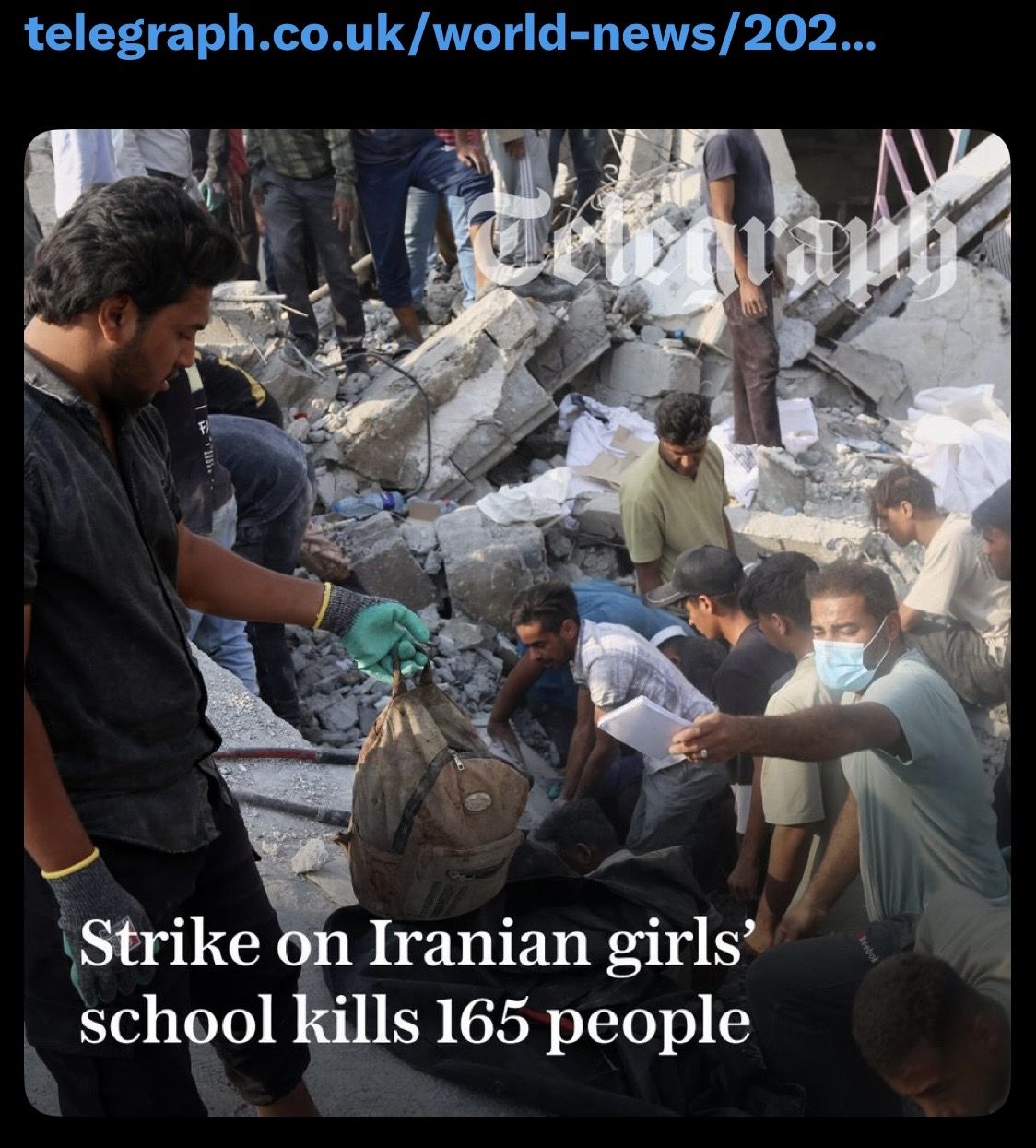
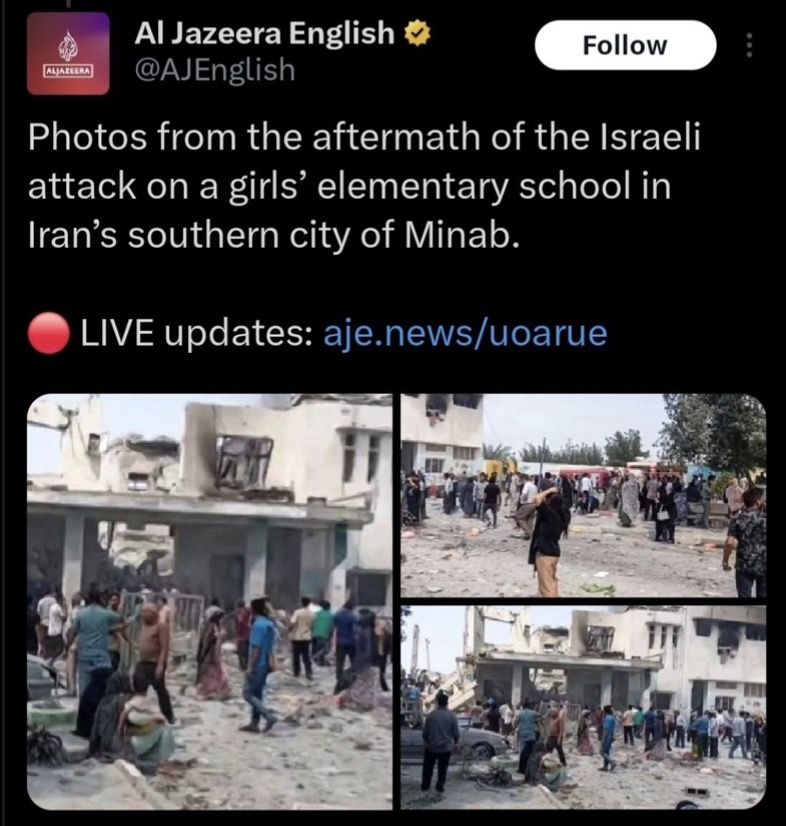
When Iranian state media reported that dozens of schoolgirls had been killed in an alleged strike in southern Iran, the claim moved rapidly across international news platforms.
Major outlets attributed the information to Iranian sources and published reported death tolls. Headlines circulated widely. Social media amplified the narrative within hours.
The event was framed as a grave escalation.
What received far less attention was the evidentiary environment surrounding the claim.
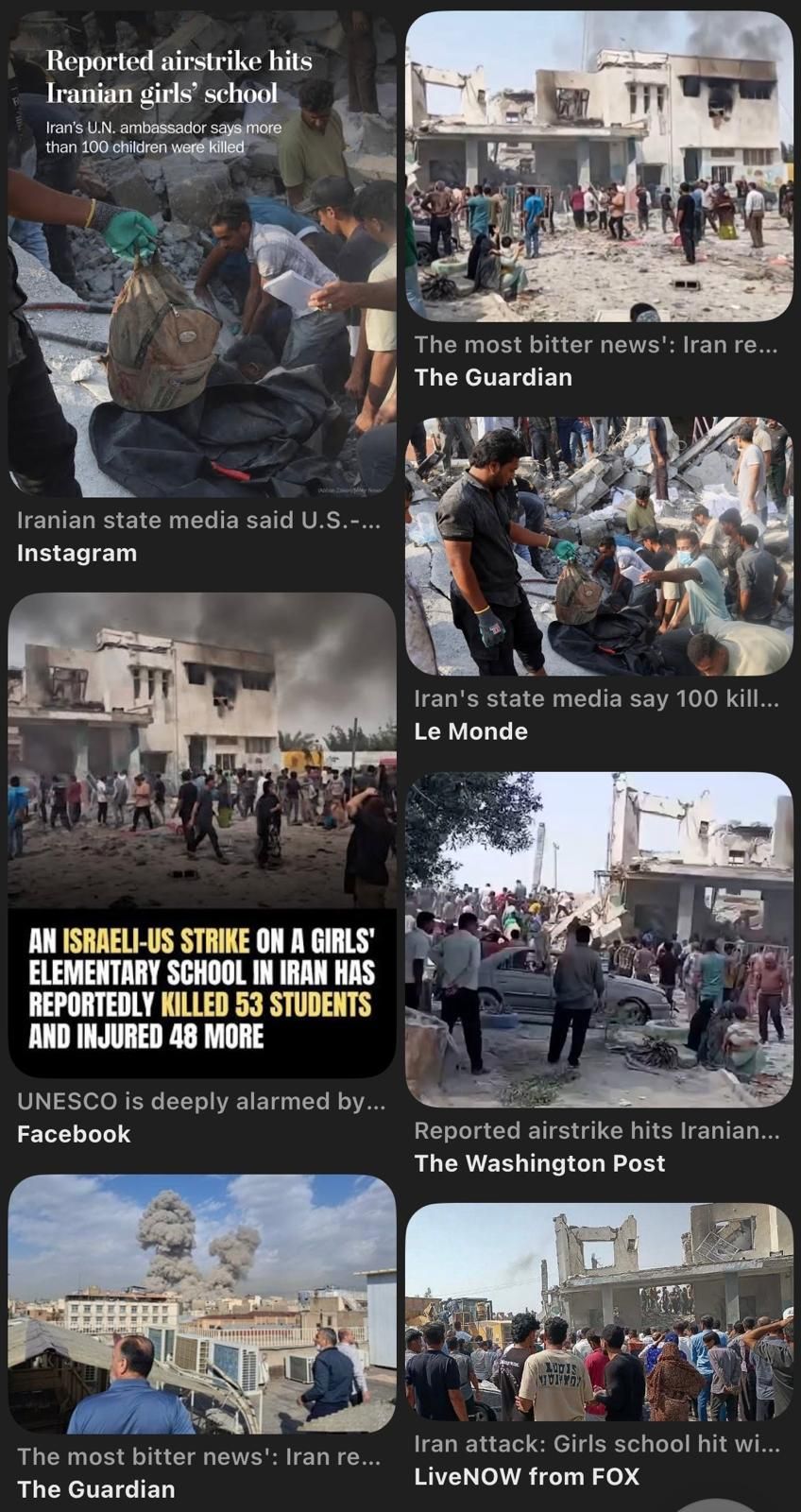
Related reading:
An Image-Driven Era
Modern conflict reporting is visual.
Mass-casualty incidents typically generate immediate photographic documentation:
- Hospital corridors
- Ambulances
- Rescue operations
- Damage assessments
- Funeral processions
- Grieving families
In conflicts involving Israel, Gaza, Ukraine, Syria, or elsewhere, graphic imagery often appears within hours. Satellite imagery is analyzed. Geolocation is performed. Verification language is prominent.
Visual evidence is treated as central.
In the Iran school incident, however, the visual record was markedly limited.
The Absence of Aftermath
In the days following the initial claims, there were:
- No independently verifiable hospital scenes
- No casualty photographs
- No funeral documentation
- No wide-angle aftermath imagery consistent with a mass-fatality strike
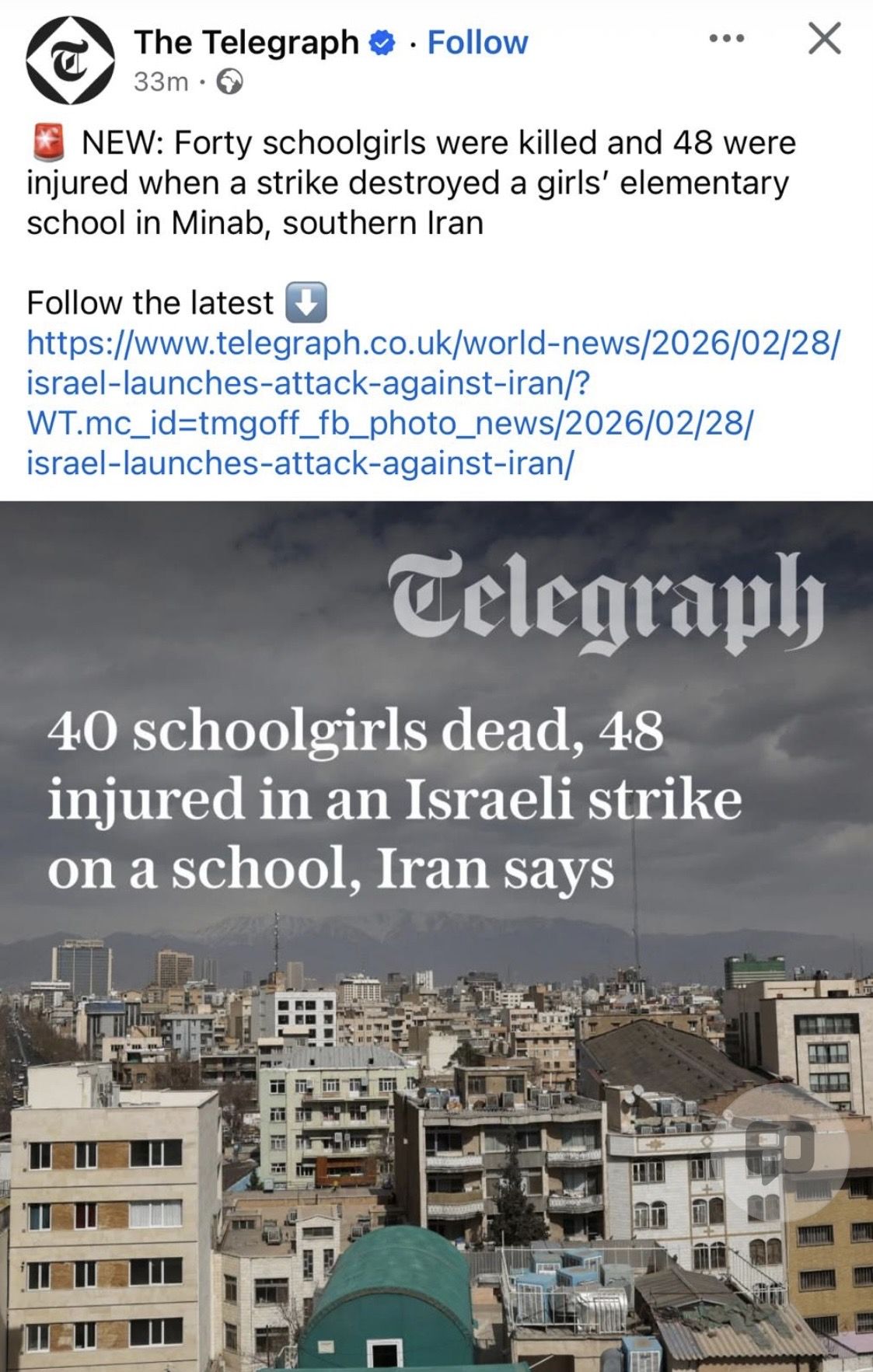
Images that circulated largely originated from state-affiliated channels.
There was no visible presence of independent photojournalists operating freely at the scene.
In an era where mobile phone footage frequently emerges even from tightly controlled environments, the absence of corroborating imagery raises reasonable questions.
In other recent mass-casualty events, visual documentation has typically appeared within hours, becoming central to reporting. In this instance, that pattern did not materialize.
Those questions were not widely asked.
In contemporary conflict reporting, casualty figures and imagery typically travel together. When they do not, editors ordinarily signal that discrepancy. In this case, the numerical claim traveled independently of visible corroboration – and the gap itself received little attention.
Production Conditions Matter
The school identified in early reporting was described as connected to the Islamic Revolutionary Guard Corps (IRGC).
The IRGC operates within a tightly controlled media ecosystem. Independent press access to military-adjacent sites in Iran is highly restricted.
This context is relevant.
When information originates in a structurally controlled media environment, journalistic standards typically call for heightened verification.
In this case, the claim itself received more scrutiny than the conditions under which it was documented – or not documented.
Asymmetry in Verification Standards
Coverage of Israeli military actions frequently includes explicit language such as:
- “The claims could not be independently verified.”
- “Israel says…”
- “According to the Hamas-run health ministry…”
These caveats reflect awareness of controlled information environments.
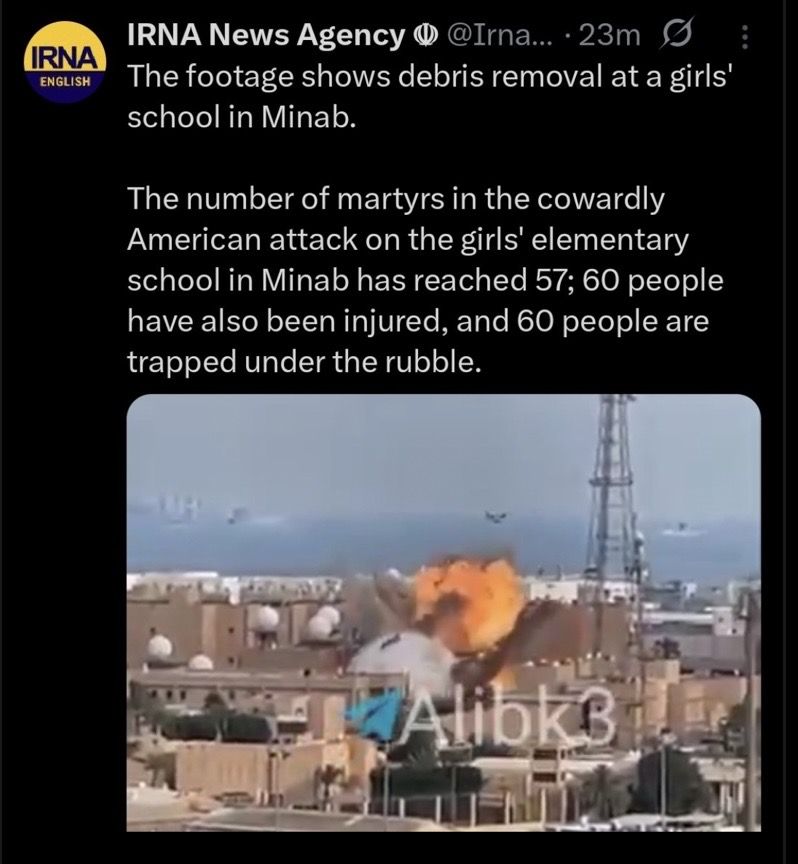
In the Iran case, while attribution to state media was often noted, there was limited parallel interrogation of the absence of visual corroboration.
In an image-saturated media landscape, when visuals are missing, that absence becomes part of the story.
The application of verification standards appeared uneven. In other contexts involving Israeli military action, the absence of independent imagery is routinely foregrounded as a limitation. In this instance, the absence itself was rarely highlighted as part of the evidentiary landscape.
Visual Silence as a Data Point
This article does not assert what did or did not occur.
It examines media process.
When dozens of civilian casualties are reported, the expected documentary pattern is familiar: imagery follows numbers.
If numbers circulate without imagery – and without explanation for that absence, the visual silence becomes relevant.
Journalism increasingly relies on imagery as confirmation. That reliance carries reciprocal responsibility: to question when imagery does not materialize.
From Claim to Headline
The pathway was familiar:
State media claim → international pickup → viral circulation → political framing.
At each stage, the numerical claim gained institutional weight.
The lack of independent photographic confirmation did not slow the amplification.
In a media environment where visuals often define reality, this inversion is notable.
Integrity of Verification
Earlier articles in this series examined:
- Synthetic imagery generating plausibility
- Physical staging shaping perception
This case introduces a related question:
What happens when imagery is absent altogether?
If modern journalism depends on visual documentation, then the standards applied to images must also apply to their absence.
Verification is not only about pixels.
It is about production conditions – and evidentiary gaps.
Conclusion
The issue is not whether the initial claim was true or false.
It is whether verification standards were applied consistently.
In an era defined by visual documentation, the absence of independent imagery in a reported mass-casualty event should itself prompt scrutiny, particularly when such scrutiny is routine in other contexts.
When it does not, the verification process becomes part of the story.
If images can mislead, their disappearance can also shape perception.
In image-driven conflicts, both presence and absence carry evidentiary weight.
Journalism’s responsibility is to interrogate both, consistently.
Liked this article? Follow HonestReporting on Twitter, Facebook, Instagram and TikTok to see even more posts and videos debunking news bias and smears, as well as other content explaining what’s really going on in Israel and the region. Get updates direct to your phone. Join our WhatsApp and Telegram channels!