Key Takeaways:
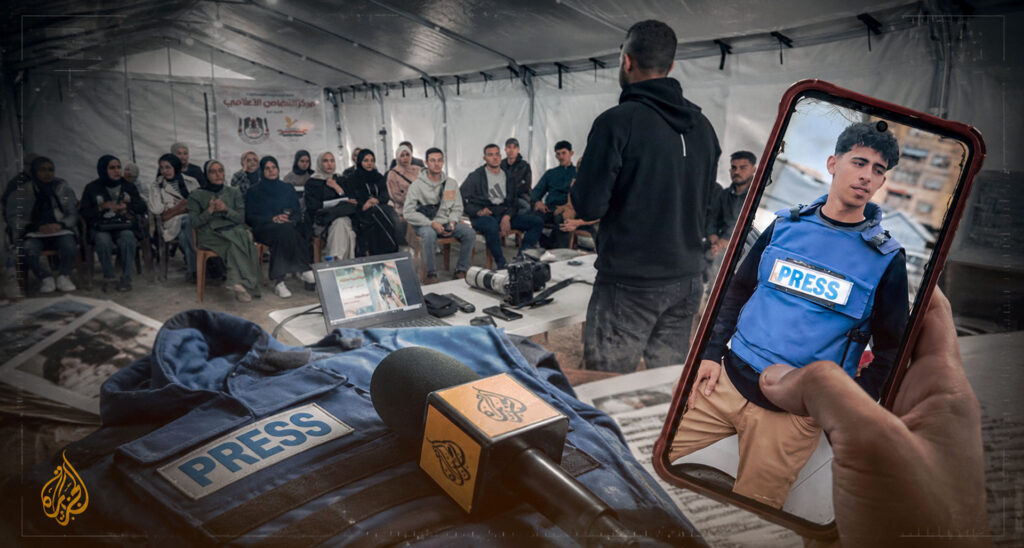
- Al Jazeera footage and Palestinian media training programs reveal the emergence of a new generation of Gaza-based “citizen journalists” operating inside a Hamas-controlled environment.
- The issue is not whether these young people are documenting real suffering, but whether audiences are being told the conditions under which this imagery is produced.
- Modern war coverage increasingly depends on emotionally involved local content creators whose access, movement, and survival are shaped by the governing authority controlling the territory.
The international media narrative surrounding Gaza has long rested on a familiar premise: that if foreign journalists were granted unrestricted access, the world would finally see the “truth” of the conflict for itself.
But a recent Al Jazeera feature unintentionally highlighted a far more important issue — not whether journalists can enter Gaza, but what journalism looks like inside a tightly controlled terrorist environment.
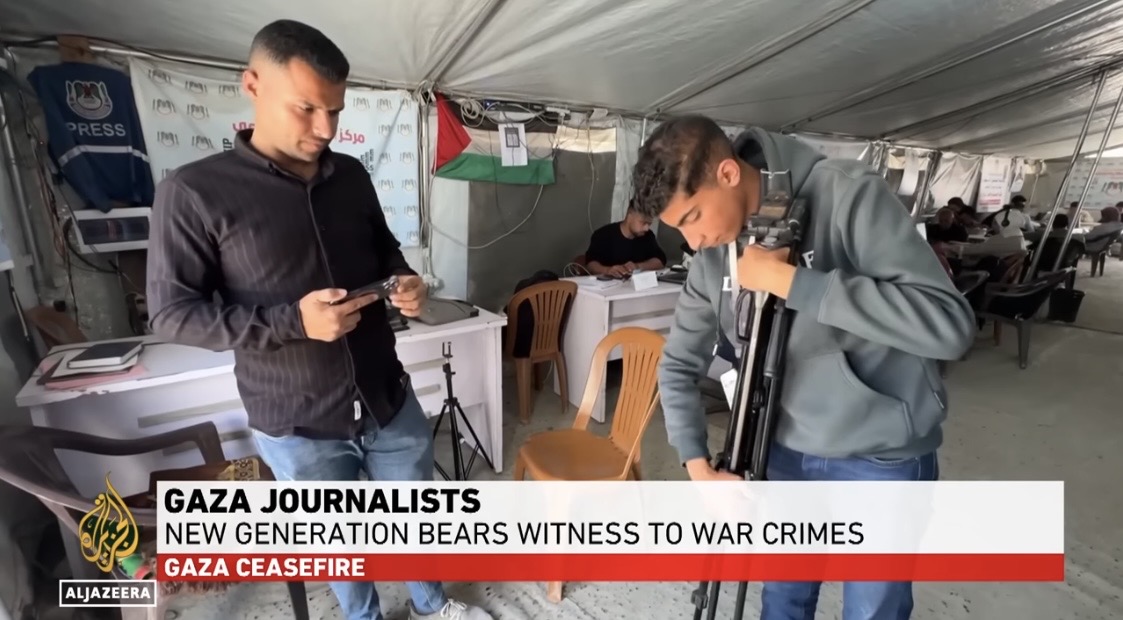
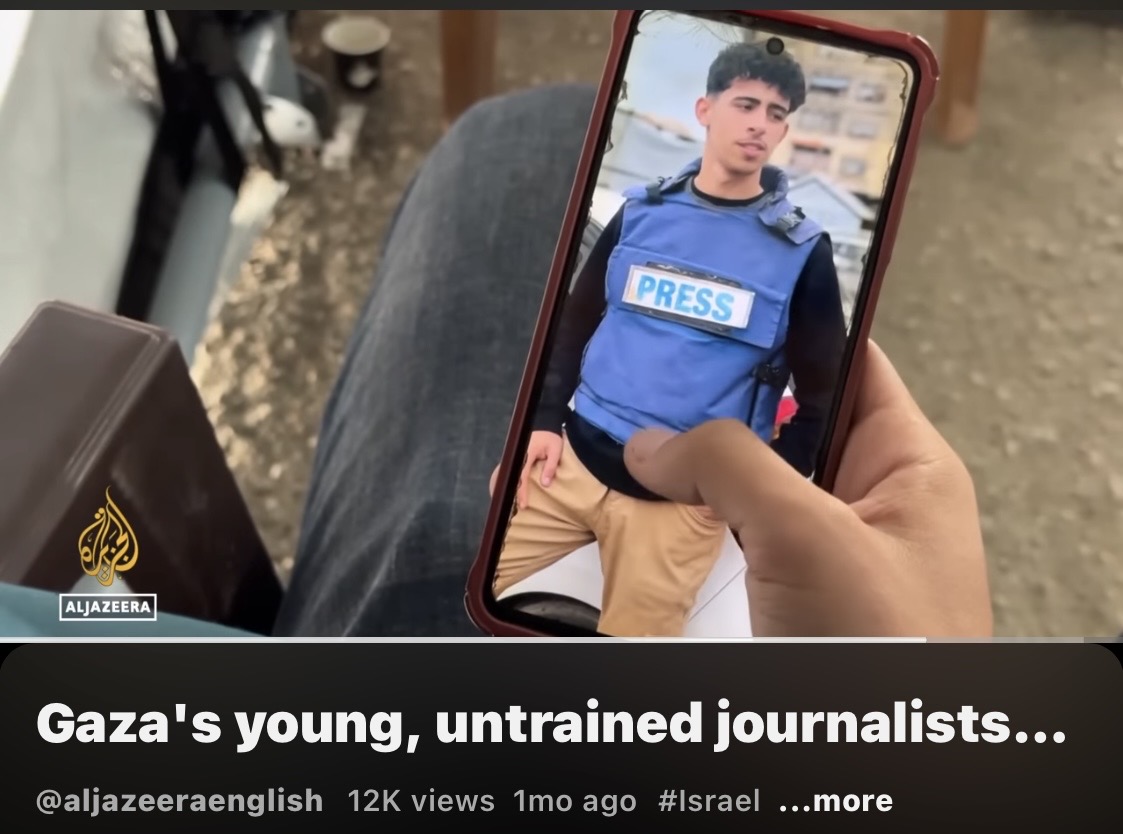
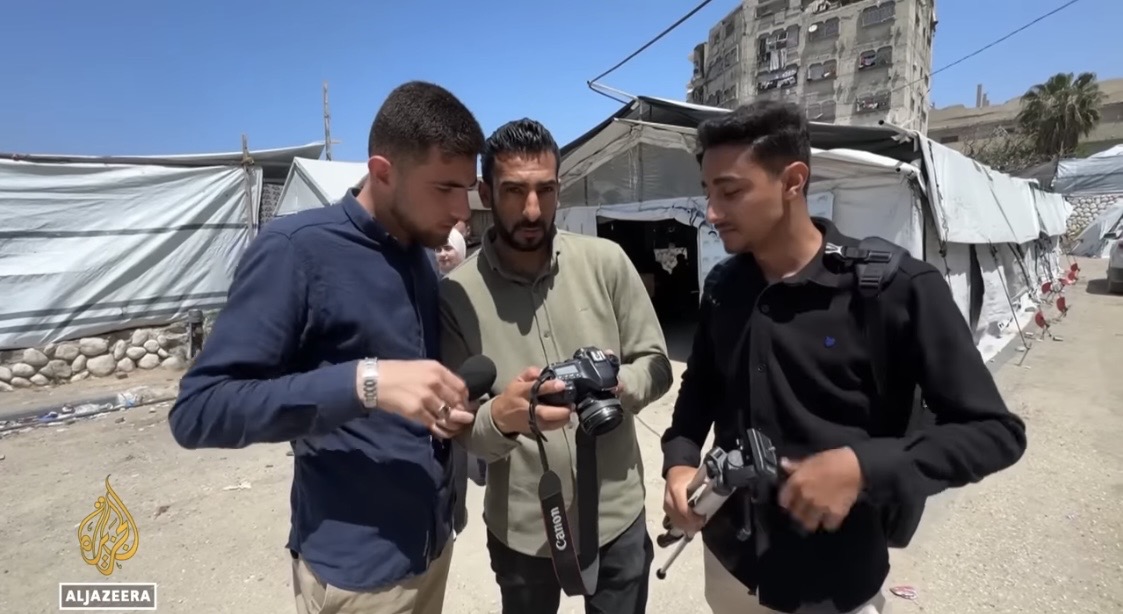
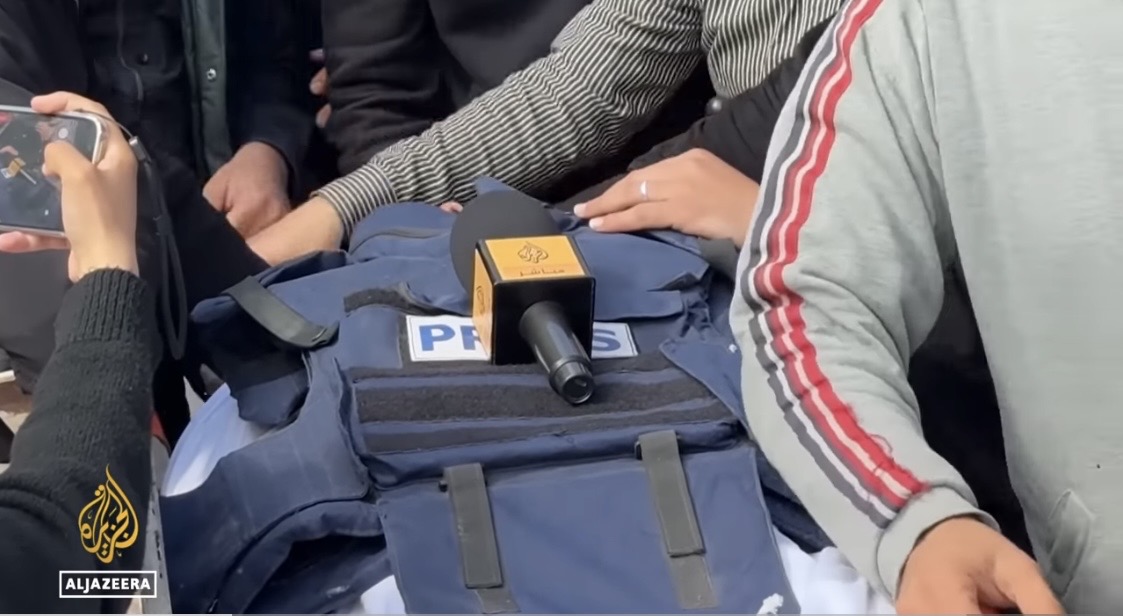
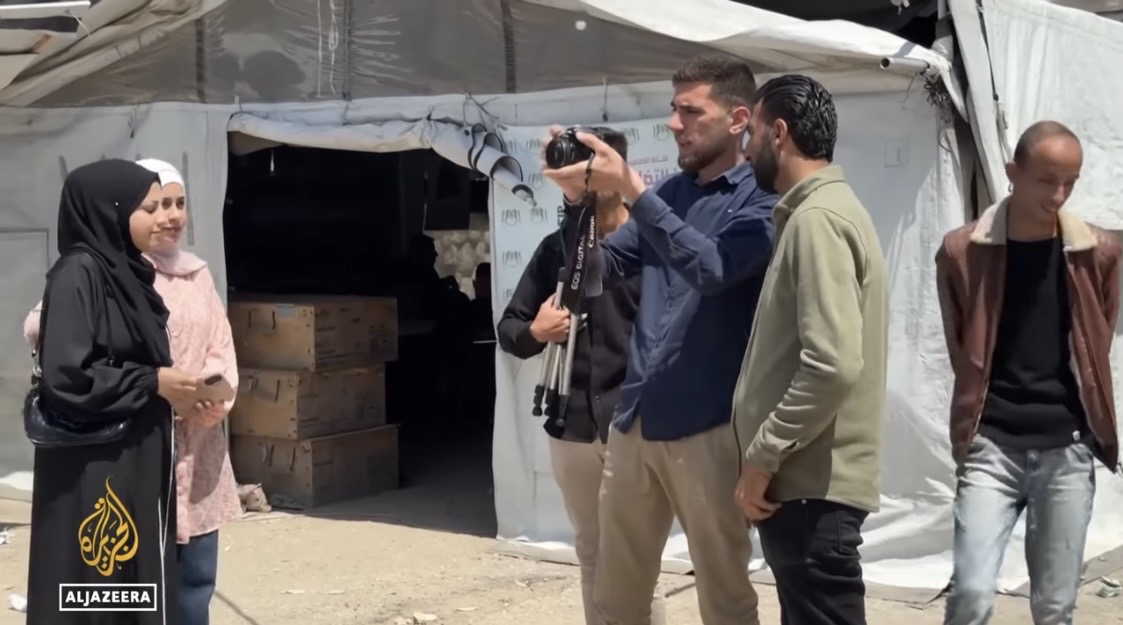
The report focuses on a new generation of young Gazan “citizen journalists” documenting the war through smartphones, drones, livestreams, and improvised media setups after much of Gaza’s traditional press infrastructure collapsed.
At one point, the narrator observes: “The line between survivor and reporter has blurred.”
That single sentence reveals more about Gaza’s media ecosystem than many of the debates that have dominated international coverage since the war began.
The Collapse of Distance
Conflict journalism has never required emotional detachment. Reporters covering war are human beings, not machines.
But professional journalism has traditionally depended on some degree of separation between the observer and the event being observed.
The Al Jazeera report openly celebrates the collapse of that distinction.
Young Gazans are shown documenting destruction while simultaneously living through it themselves — filming drone footage over devastated neighborhoods before uploading clips directly to international audiences.
They are survivors and reporters at the same time.
That reality inevitably shapes the imagery being produced.
Once journalism becomes inseparable from personal survival, the camera no longer functions purely as a tool of documentation.
It also becomes a form of participation.
The Controlled Environment
The report presents these young creators as independent witnesses stepping into the vacuum left by damaged international bureaus.
But one crucial reality remains largely absent from the discussion.
Gaza is not an open reporting environment.
Movement is restricted. Access is conditional. Sensitive areas cannot simply be approached freely. What journalists can film, where they can operate, and which armed actors can be photographed all exist within a framework ultimately governed by Hamas.
That does not mean every image emerging from Gaza is fabricated.
It means the environment itself shapes the imagery.
And that distinction matters.
Too much international coverage continues to treat Gaza visuals as though they emerge from a conventional reporting environment, when in reality they are produced within a system where access, safety, and survival are deeply intertwined with the governing power structure.
The Access Question
Throughout the war, Israel has faced sustained criticism for not allowing unrestricted foreign press access into Gaza.
But experienced conflict reporters understand that entering a war zone and reporting freely inside it are not the same thing.
In any terrorist-controlled territory, journalists rapidly become dependent on fixers, escorts, approved movement corridors, local permissions, and informal systems of protection.
Those dependencies shape coverage long before a single image is broadcast internationally.
A foreign correspondent operating inside Hamas-controlled territory would not suddenly gain access to an unrestricted information environment simply by crossing the border.
They would still be operating inside a managed reality.
The New Supply Chain
Perhaps the most revealing aspect of the Al Jazeera report is its repeated emphasis that these young Gazan creators are increasingly becoming primary visual sources for international news organizations.
That point deserves far greater scrutiny.
Modern war coverage now relies heavily on footage generated by local actors embedded within the conflict itself — often with limited editorial separation, intense emotional proximity, and little ability to operate independently of local power structures.
The result is not necessarily fabricated journalism.
But it is journalism profoundly shaped by fear, ideology, access limitations, survival pressures, and the realities of operating inside a closed militant environment.
Raw footage is not the same thing as unfiltered footage.
The Training Infrastructure
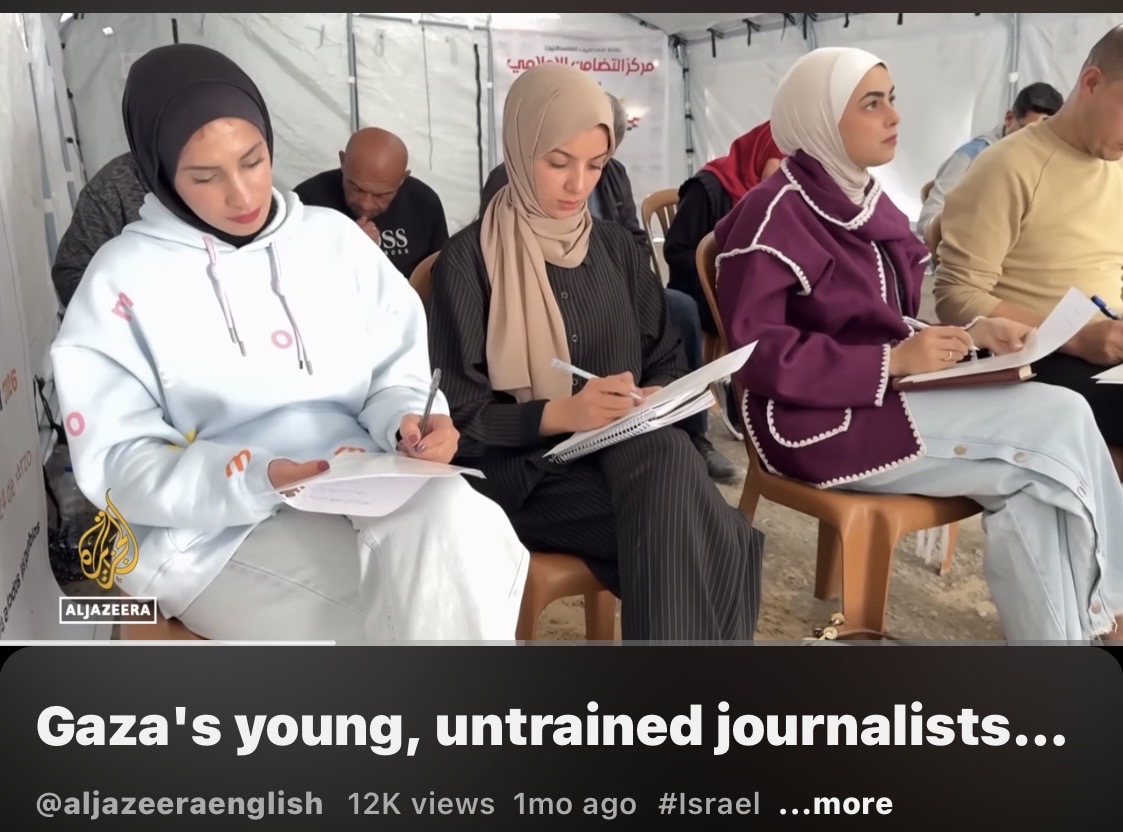
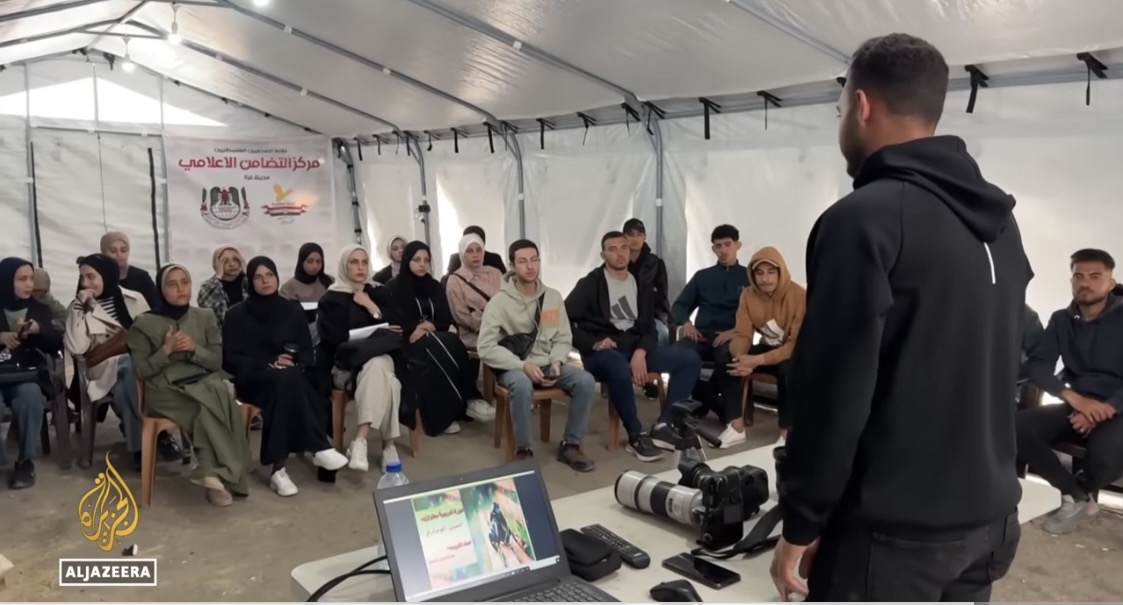
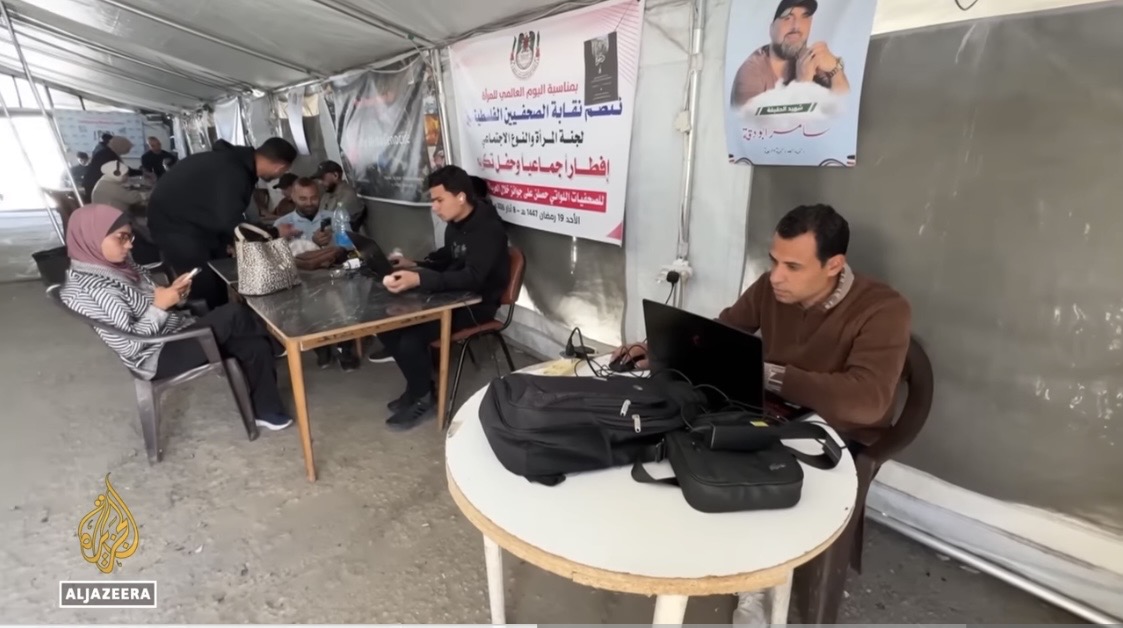
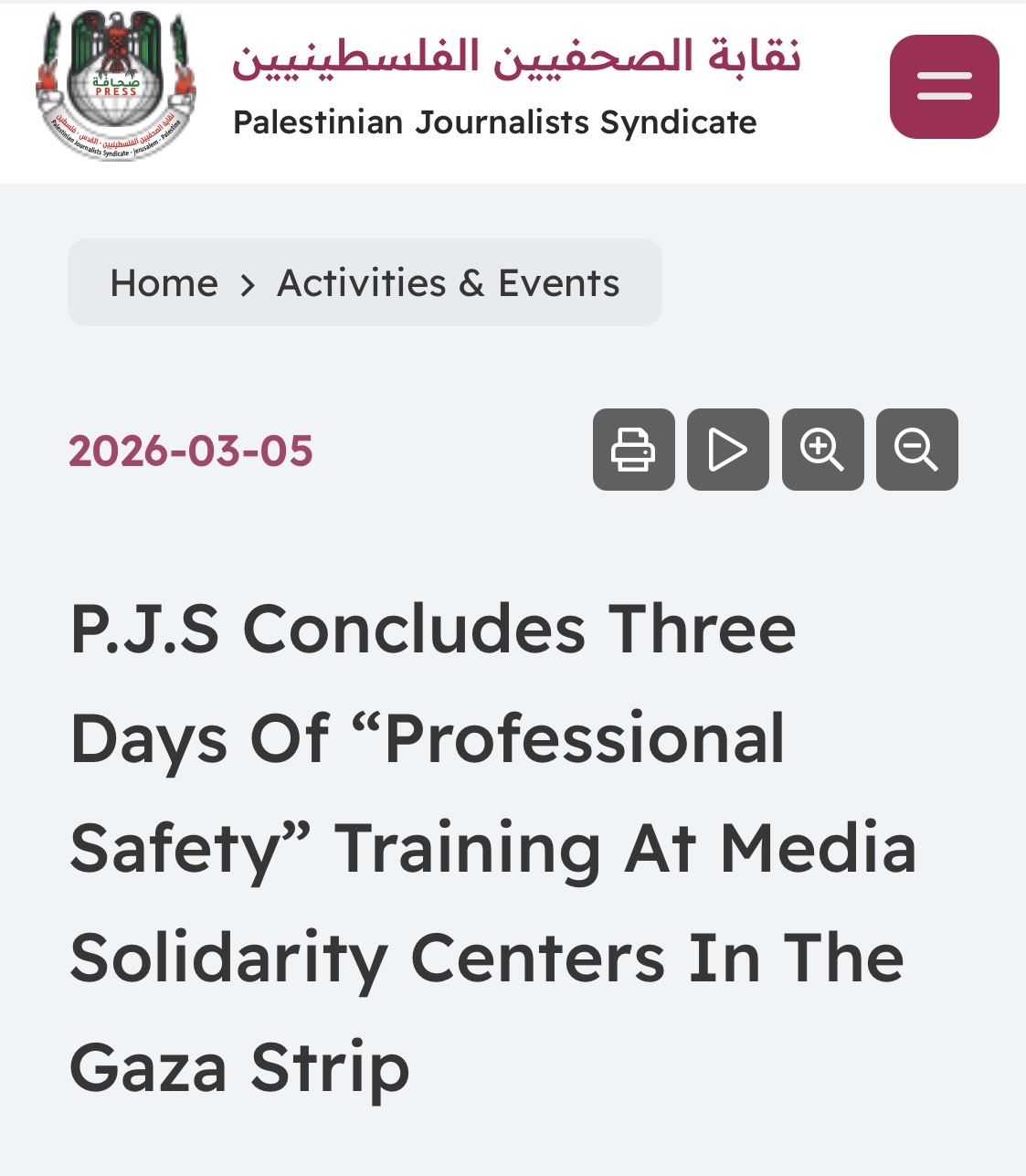
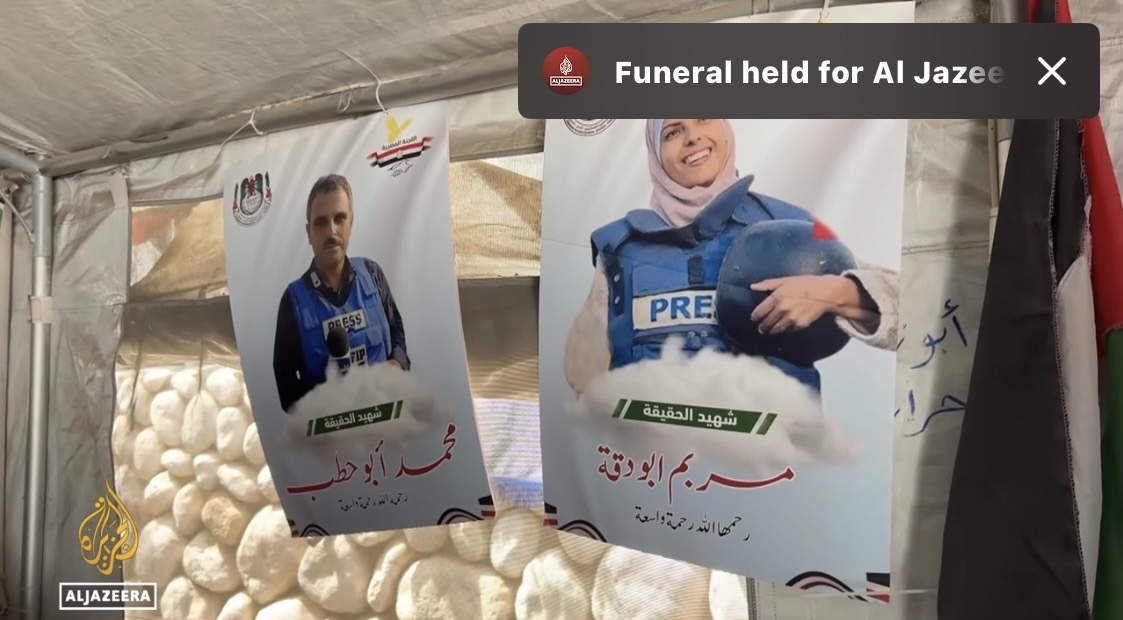
The report also shows organized media training programs run through Palestinian journalist organizations, with young Gazans learning production techniques, reporting standards, and safety protocols while the war continues around them.
Again, none of this automatically implies malicious intent.
But it does demonstrate that this is no longer a loose collection of isolated social media accounts.
It is an increasingly sophisticated media infrastructure — a pipeline generating interviews, casualty documentation, frontline footage, drone imagery, and emotionally powerful visuals that are then amplified globally through major international outlets.
That infrastructure now plays a significant role in shaping international understanding of the war itself.
The Emotional Incentive Structure
International demand for emotionally charged Gaza imagery has also created its own incentives.
The images most likely to gain traction globally are typically those that are immediate, casualty-focused, child-centered, and emotionally legible within seconds.
Creators quickly learn which footage travels furthest.
Which clips attract amplification.
Which images become symbolic.
Over time, this inevitably influences production itself — not necessarily through explicit direction, but through repetition, visibility, and reward.
The Missing Part of the Story
None of this means the suffering in Gaza is not real.
It is real.
The destruction is real. The trauma is real.
But journalism is not defined solely by whether events occur.
It is also defined by who documents those events, under what conditions, with what degree of freedom, and within which systems of power.
That is the part of the story still largely absent from much international coverage.
The debate should no longer focus simply on whether journalists can enter Gaza.
The more important question is what journalism becomes once reporting itself is produced inside a tightly controlled militant environment where the boundaries between participant, survivor, activist, and reporter have become almost impossible to separate.
Liked this article? Follow HonestReporting on Twitter, Facebook, Instagram and TikTok to see even more posts and videos debunking news bias and smears, as well as other content explaining what’s really going on in Israel and the region. Get updates direct to your phone. Join our WhatsApp and Telegram channels!
© Divuach Ne’eman R”A, 2025