Key Takeaways:
- Eid images from Gaza followed a familiar pattern already seen during Ramadan, weddings, hospital ceremonies, and other highly publicized events throughout the war.
- The question is not whether the events occurred, but how they were organized, photographed, and distributed to global audiences.
- Some of Gaza’s most powerful visual moments appear less spontaneous than they first seem, raising important questions about coordination, access, authority, and narrative production.
For much of this war, international audiences have been presented with a succession of highly symbolic images emerging from Gaza: families breaking Ramadan fasts beside shattered mosques, Christmas celebrations staged among rubble, graduation ceremonies held inside damaged hospitals, and wedding portraits framed against destruction. Now Eid has joined that visual catalogue.
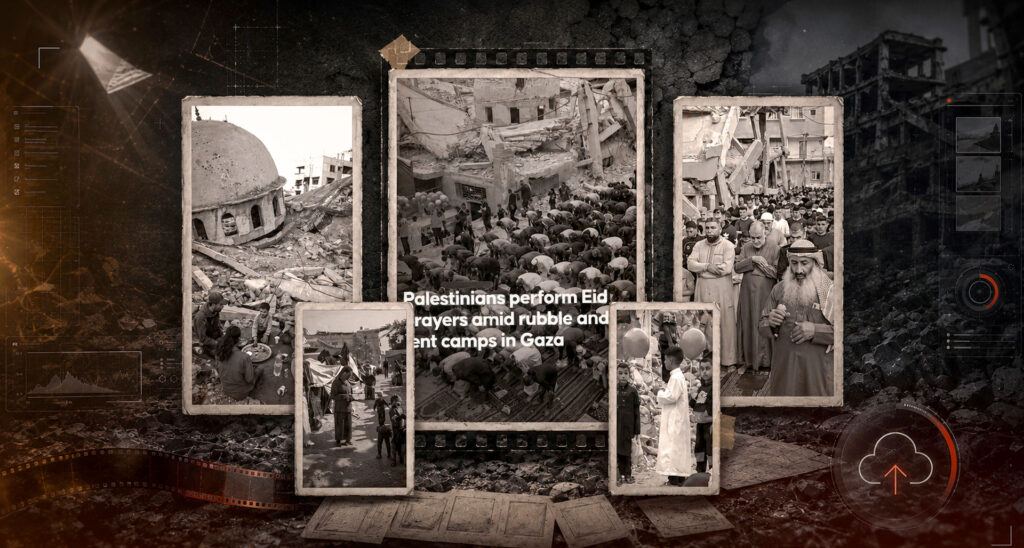
Images distributed by Anadolu Agency, AP, and other outlets showed worshippers gathered among ruins, praying beside collapsed buildings and damaged mosques. Drone footage captured rows of people stretching through debris-filled streets, while photographs of children carrying balloons through the wreckage added a further emotional dimension to the coverage. The images were undoubtedly striking, and it is not difficult to understand why they travelled so quickly across international media platforms.
But beyond their immediate emotional impact lies a question that is almost never addressed in the accompanying coverage: how exactly do these moments become such polished global media products?
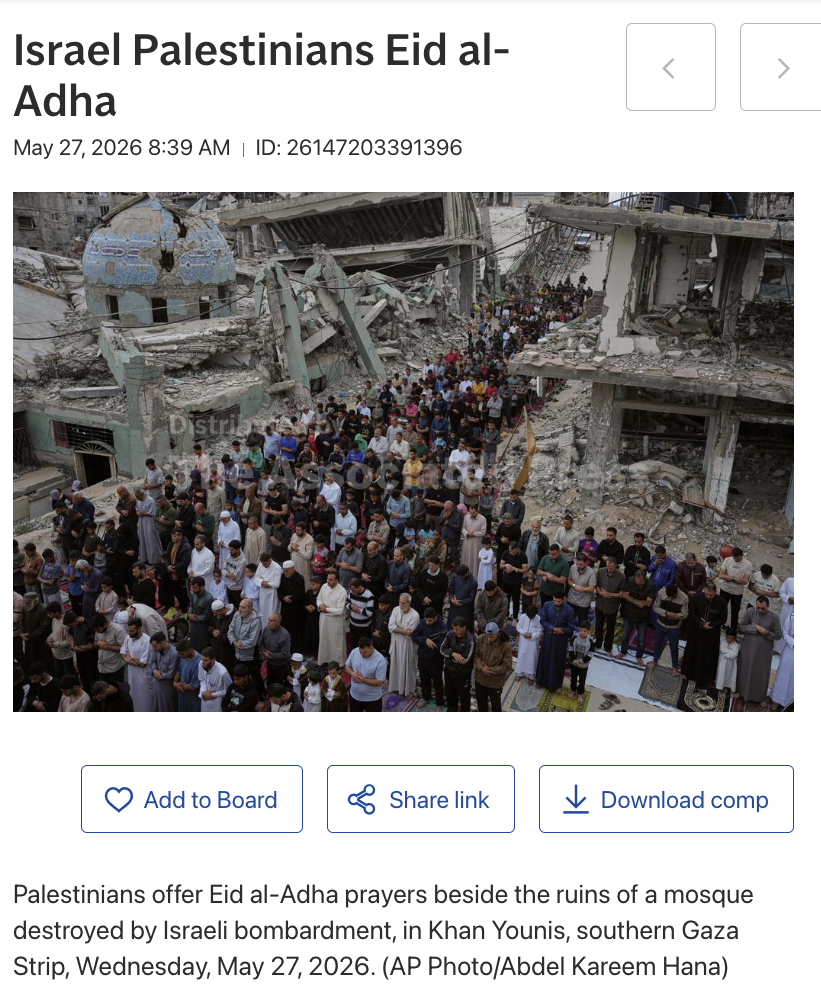
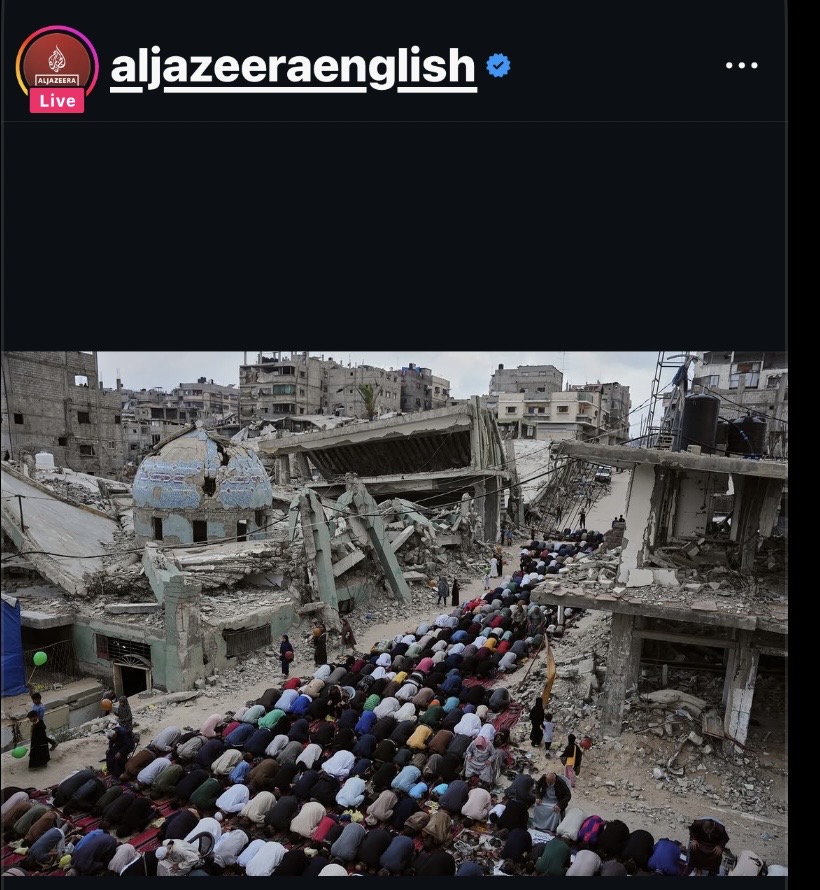
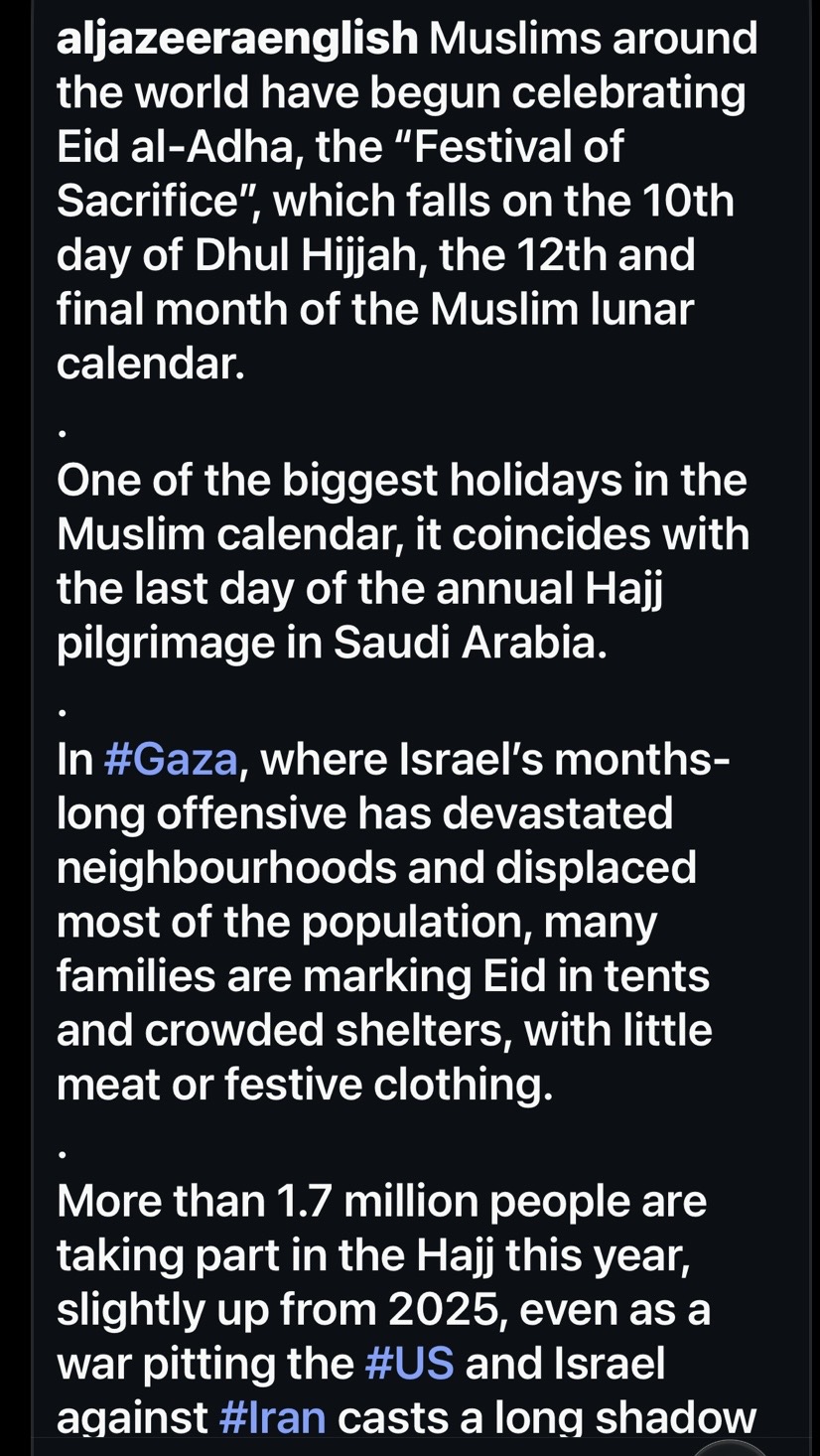
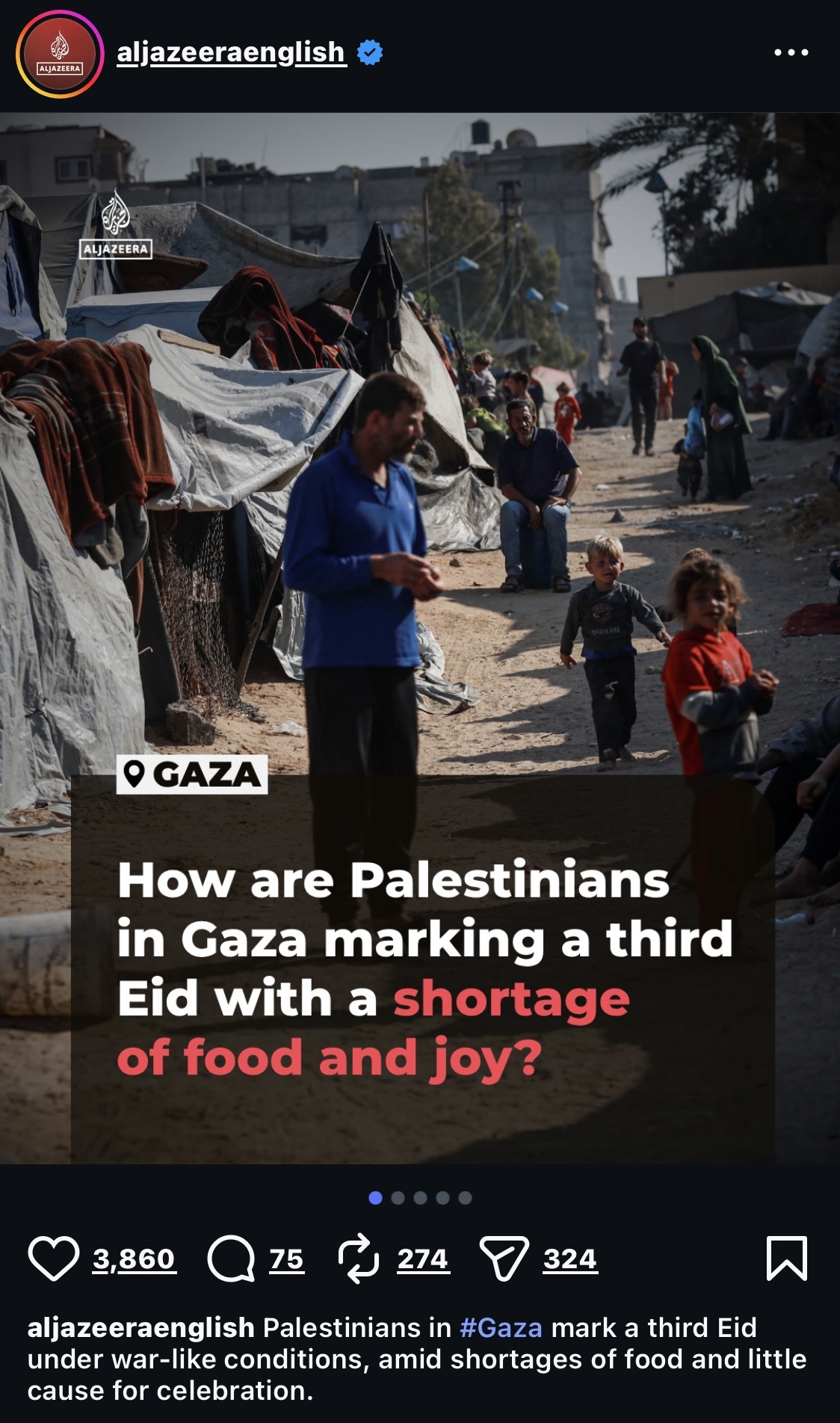
This is not to cast doubt on the reality of the scenes themselves. Gazans observed Eid, as they have continued to mark religious occasions throughout the war, often under extraordinarily difficult conditions. Nor is it to suggest that the worshippers themselves were anything other than genuine participants in a real religious observance. The more relevant issue is the degree to which these highly symbolic moments are not simply documented, but carefully framed and produced for maximum visual and narrative effect.
Images of this scale and precision do not simply emerge by accident. Large public gatherings require organization and communication. Drone footage requires operators with access and foreknowledge of where to position themselves. Photographers need vantage points, timing, and an understanding of which visual elements will carry the strongest symbolic resonance. By the time such images reach international audiences, a series of decisions has already shaped what viewers ultimately see.
What makes this particularly notable is the extent to which these images follow a now-familiar visual pattern. Earlier in the conflict, photographers captured families breaking Ramadan fast beside destroyed mosques.
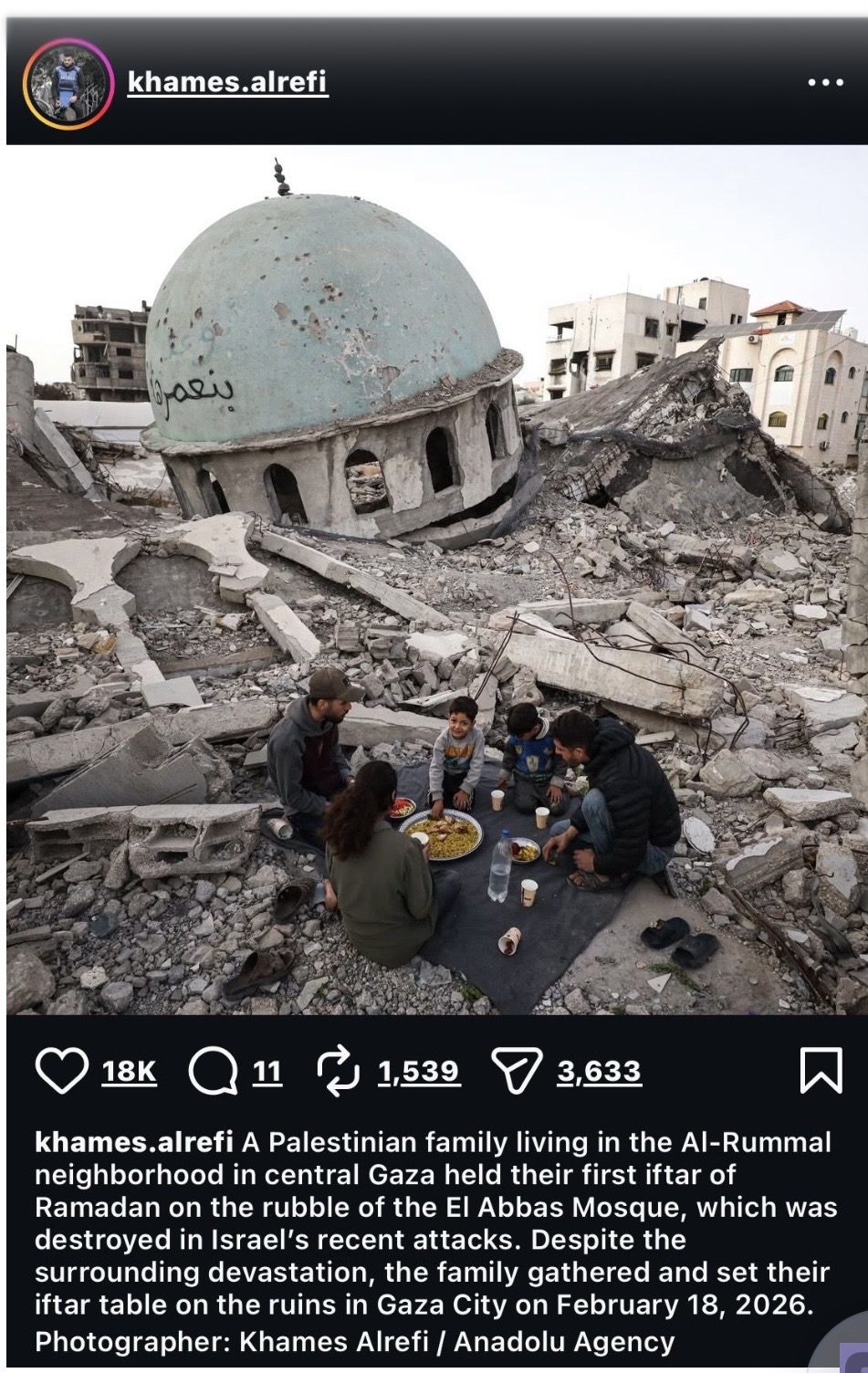
Similar imagery emerged around weddings staged against bombed-out backdrops and graduation ceremonies held in damaged buildings. The formula is strikingly consistent: moments of faith, celebration, or communal resilience are framed against visible destruction, creating compositions that convey not simply documentation but a powerful symbolic narrative.
Viewed individually, each image appears to capture a spontaneous moment of human perseverance. Viewed collectively, however, they begin to suggest something more deliberate – a recurring visual language that has come to define much of Gaza’s international media imagery throughout this conflict.
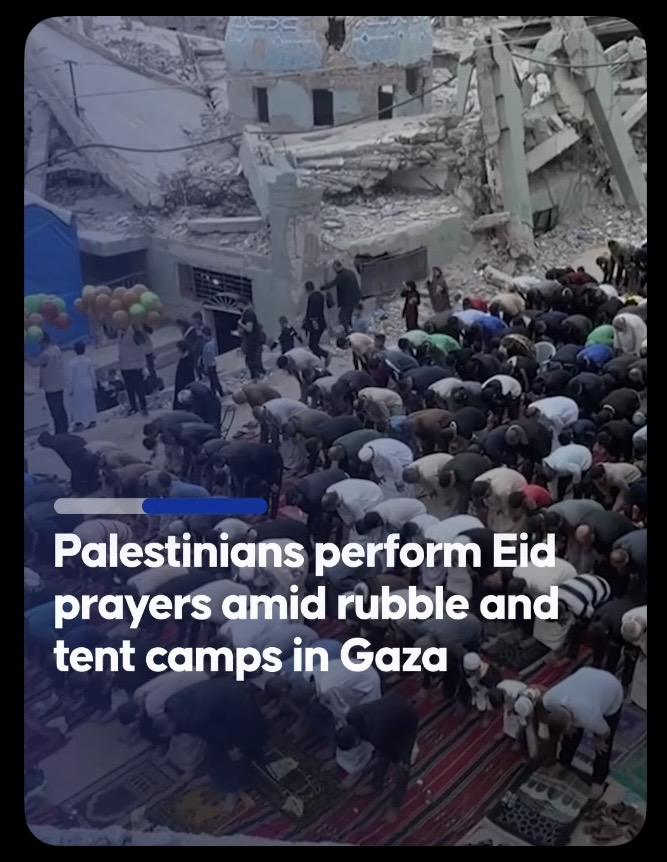
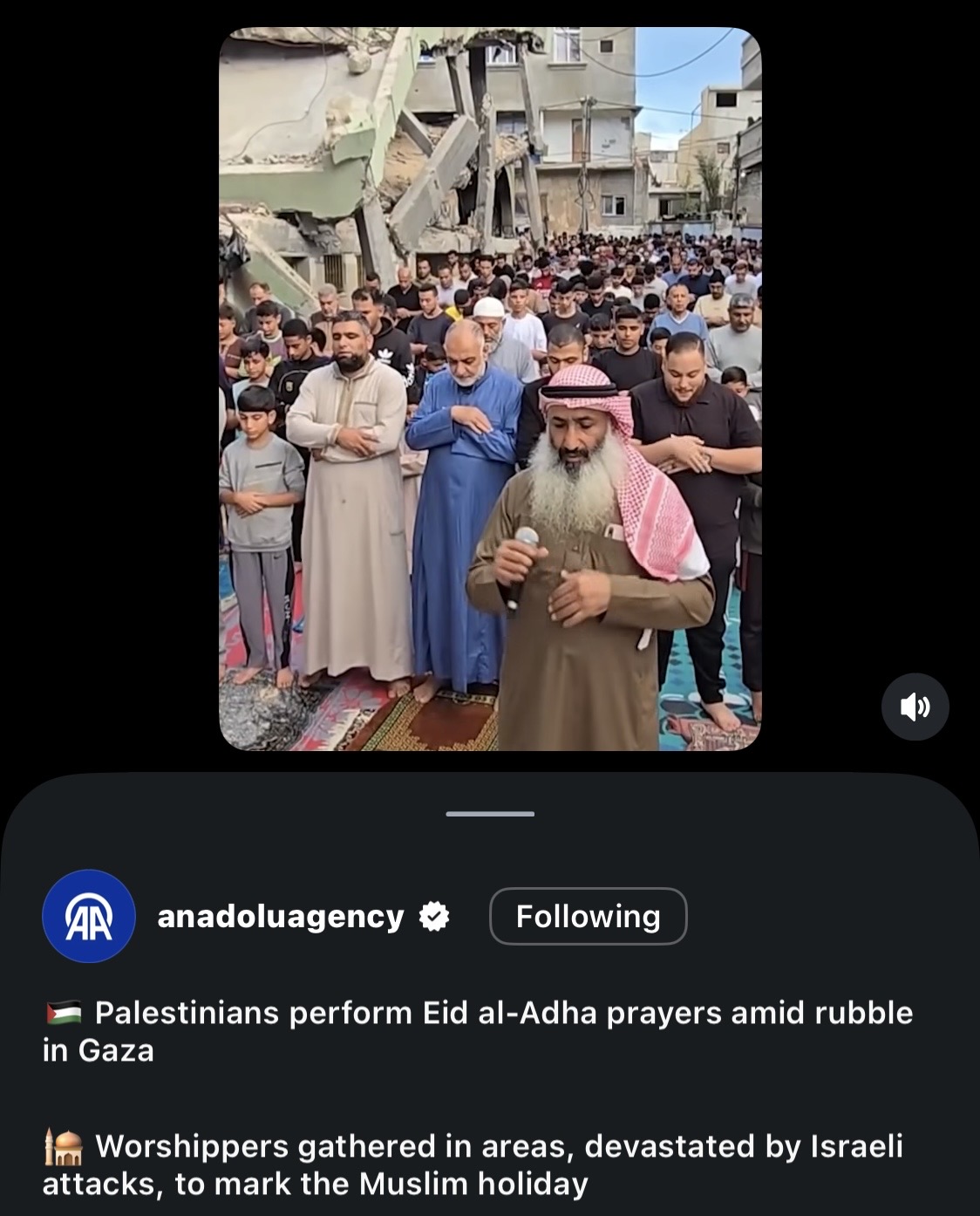
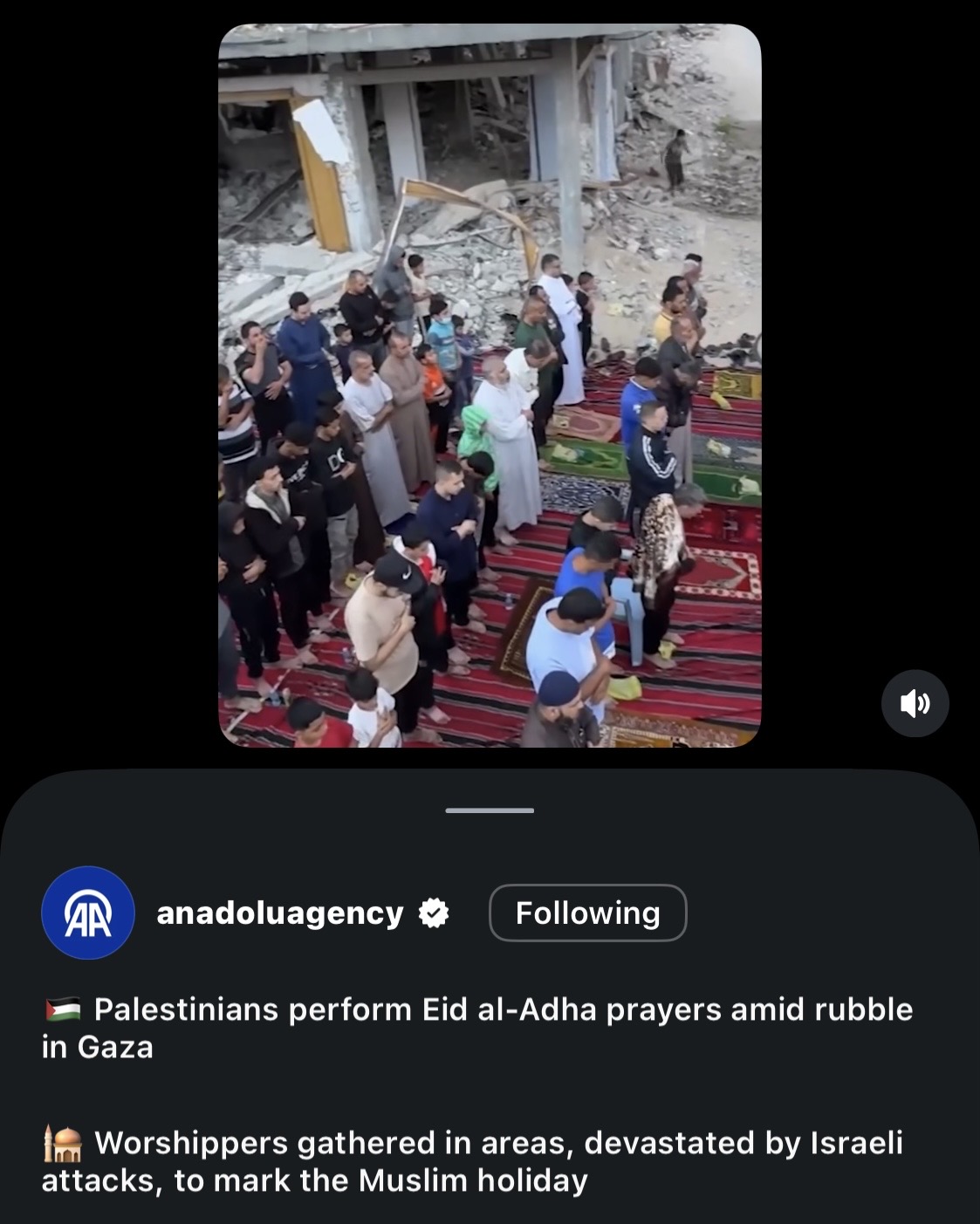
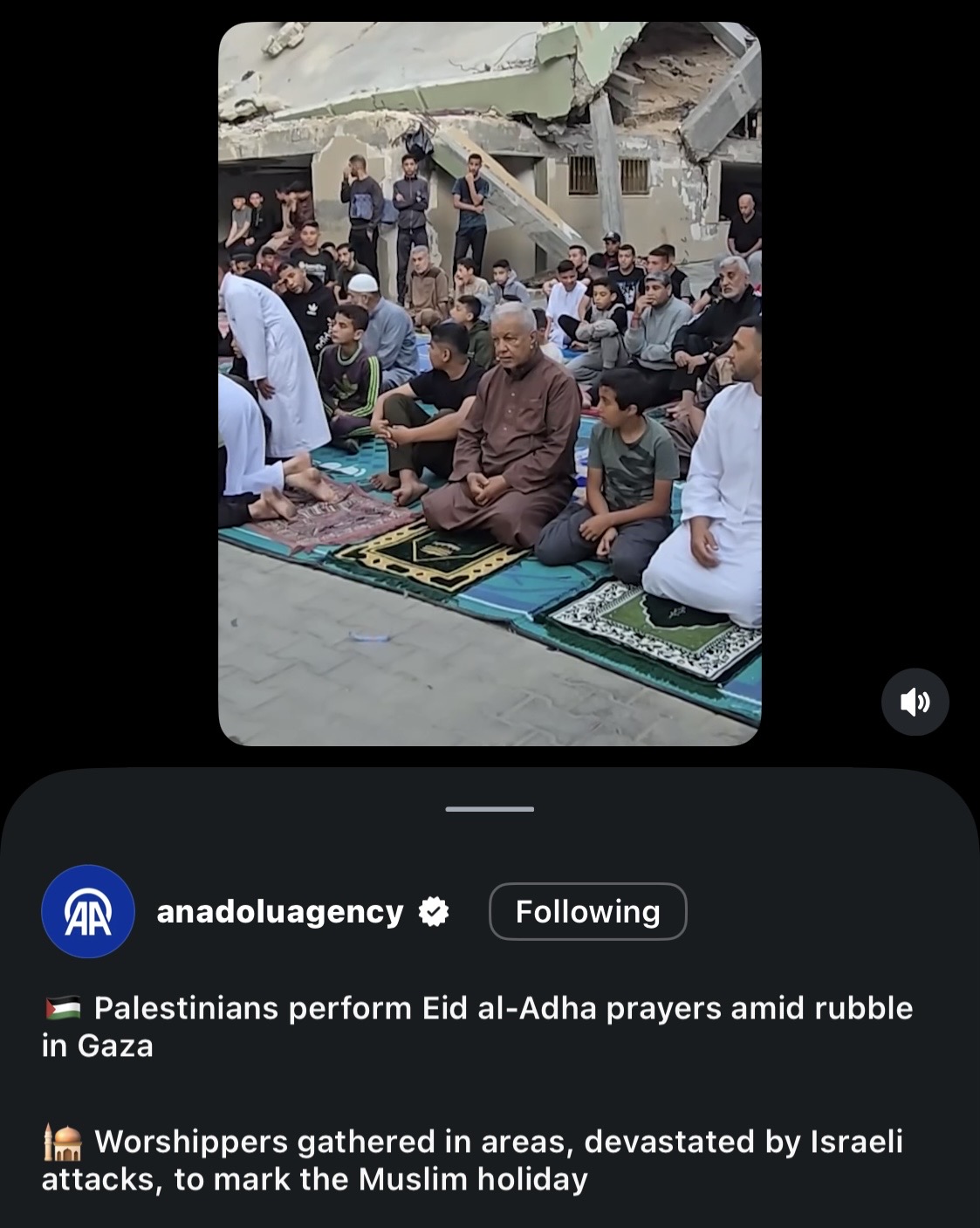
Professional photojournalists understand that compelling images rarely depend on chance alone. They are usually the result of preparation, positioning, access, and editorial judgment. That is not unusual in itself. What is unusual is how rarely this production process is acknowledged when the images are presented to global audiences, particularly in the context of Gaza.
This matters because Gaza is not an open operating environment. Hamas remains the governing authority, and public gatherings, media access, and drone operations take place within a framework of control that necessarily shapes what can be photographed, where, and under what conditions. Acknowledging this does not diminish the authenticity of the worshippers or the reality of their observance. It simply introduces context that is almost always absent from the final presentation.
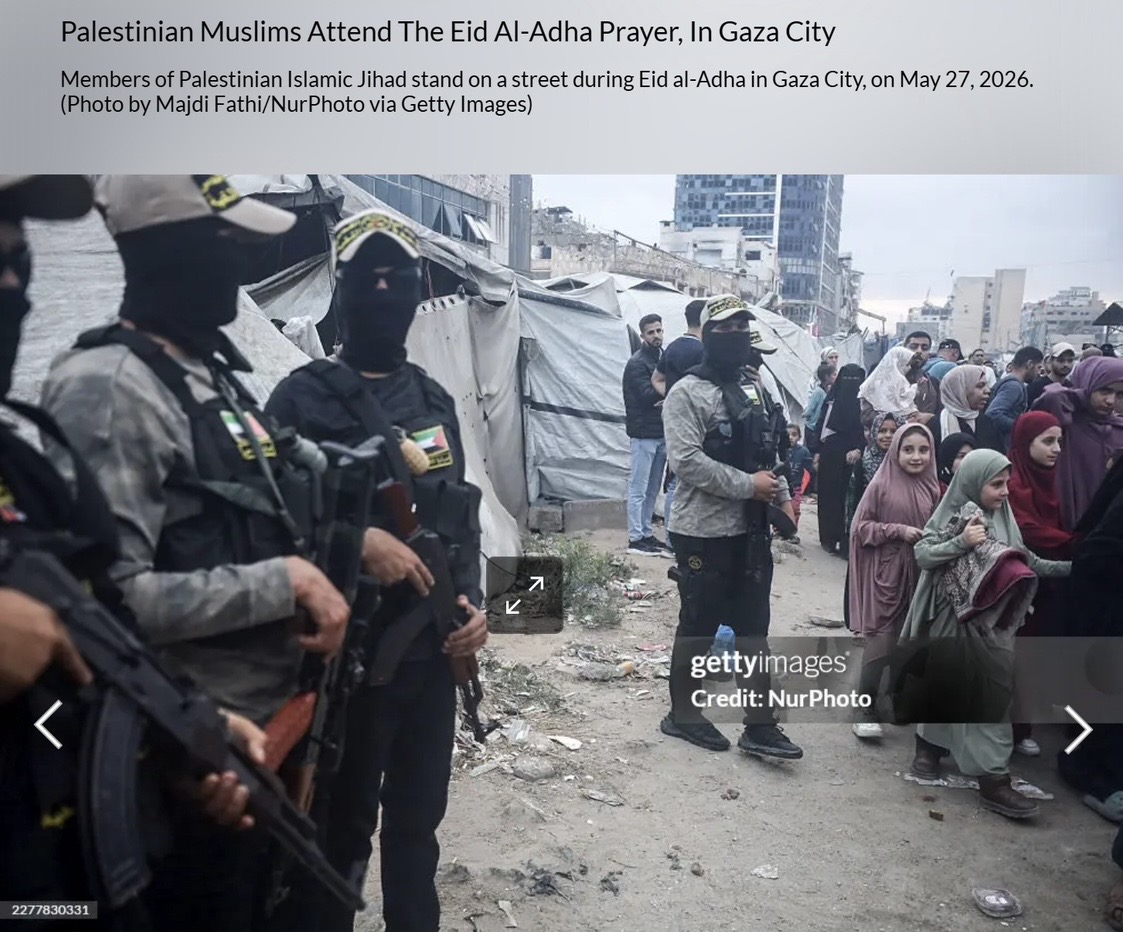
Yet most audiences encounter these photographs as if they are seeing pure, unmediated documentation. What remains invisible is the infrastructure of planning, access, coordination, and editorial selection that made the final image possible in the first place.
For nearly three years, imagery from Gaza has played a central role in shaping international perceptions of this conflict. Much of the discussion has focused on what the photographs show. Far less attention has been paid to the mechanisms that produce them.
The Eid images are merely the latest example of why that question deserves greater scrutiny. Journalism should not stop at presenting compelling images. It should also examine the conditions under which those images were created and ask what may lie beyond the frame.
Liked this article? Follow HonestReporting on Twitter, Facebook, Instagram and TikTok to see even more posts and videos debunking news bias and smears, as well as other content explaining what’s really going on in Israel and the region. Get updates direct to your phone. Join our WhatsApp and Telegram channels!
© Divuach Ne’eman R”A, 2025